Acnistus arborescens (L.) Schltdl.
Güitite
Solanaceae
Common understory tree (5-10m) of the tomato (nightshade) family. Güitite is important as a source of edible berries for an assortment of birds, and as a provider of substrate for arboreal epiphytes.
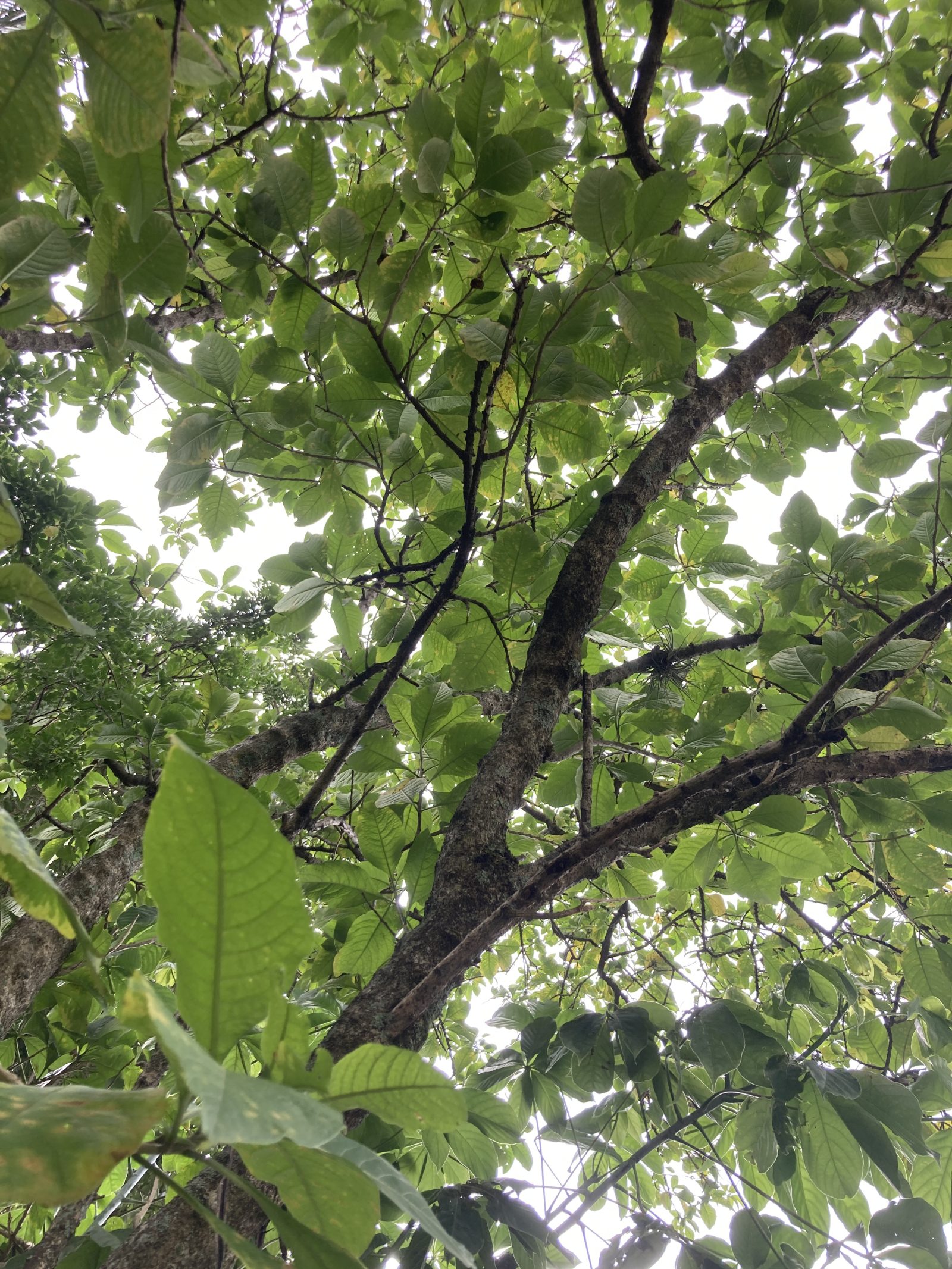
Description: Güitite has a bending, irregular trunk that is covered by a thick layer of soft, corky, and often deeply furrowed off-white bark. The long, thin, flexible, often angular branches that emerge from it support an open, irregular, and airy crown.
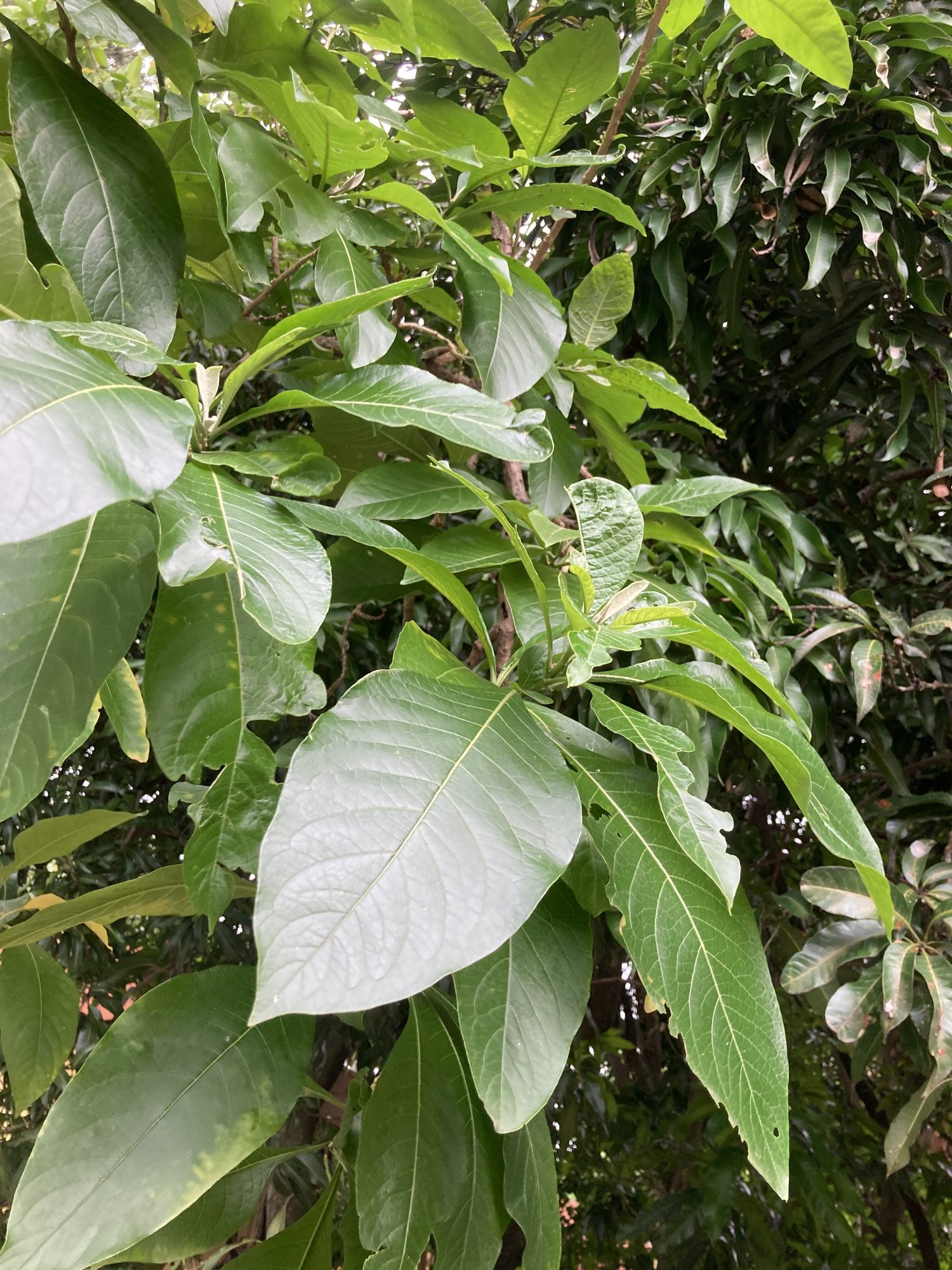
Leaves (24cm x 10cm) are large, simple, and alternate. Bades are elliptical, thin, papery, and have pronounced, pinnate venation. Short-lived, the foliage continuously yellows and is shed, as new growth renews the crown.
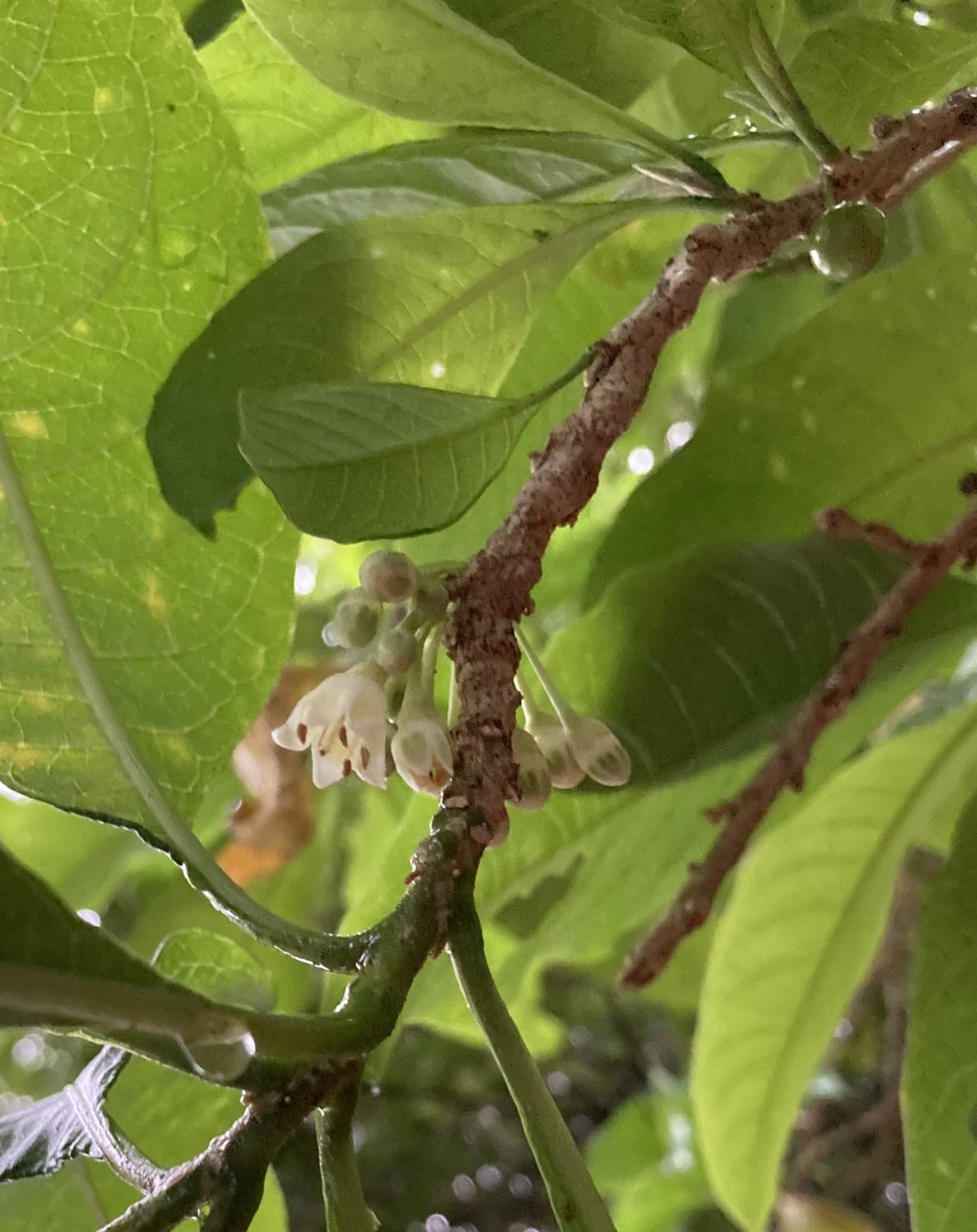
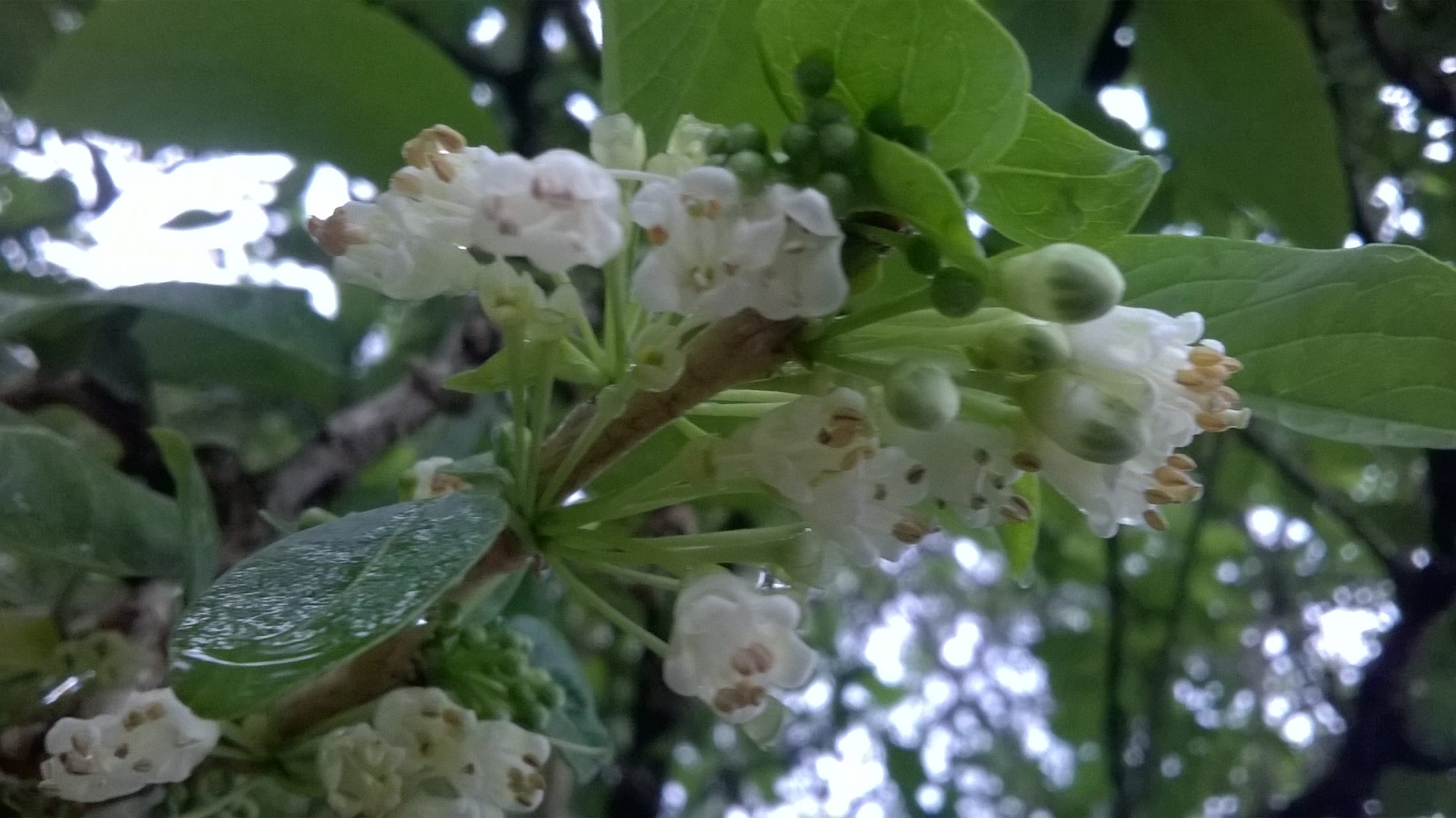
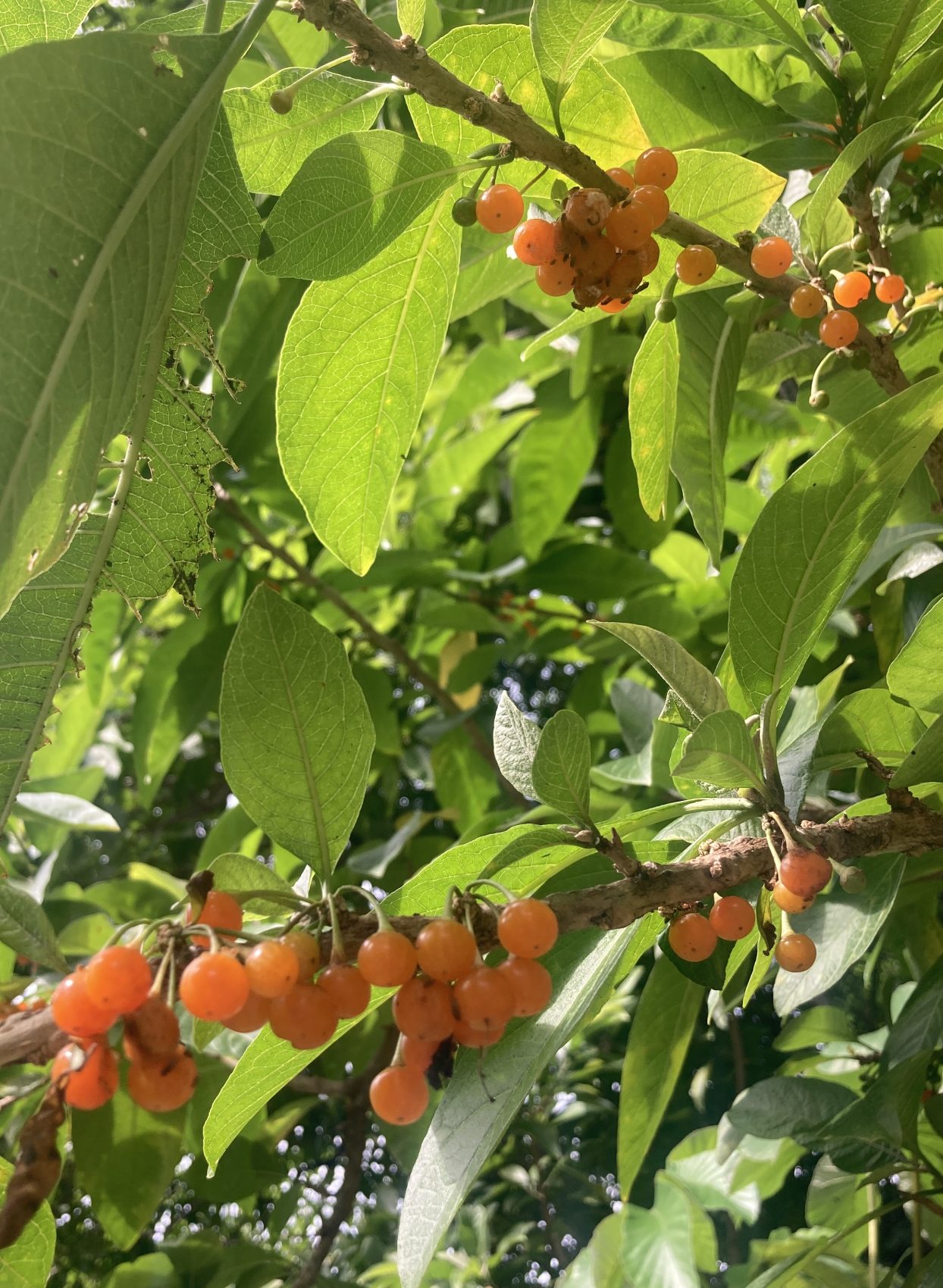
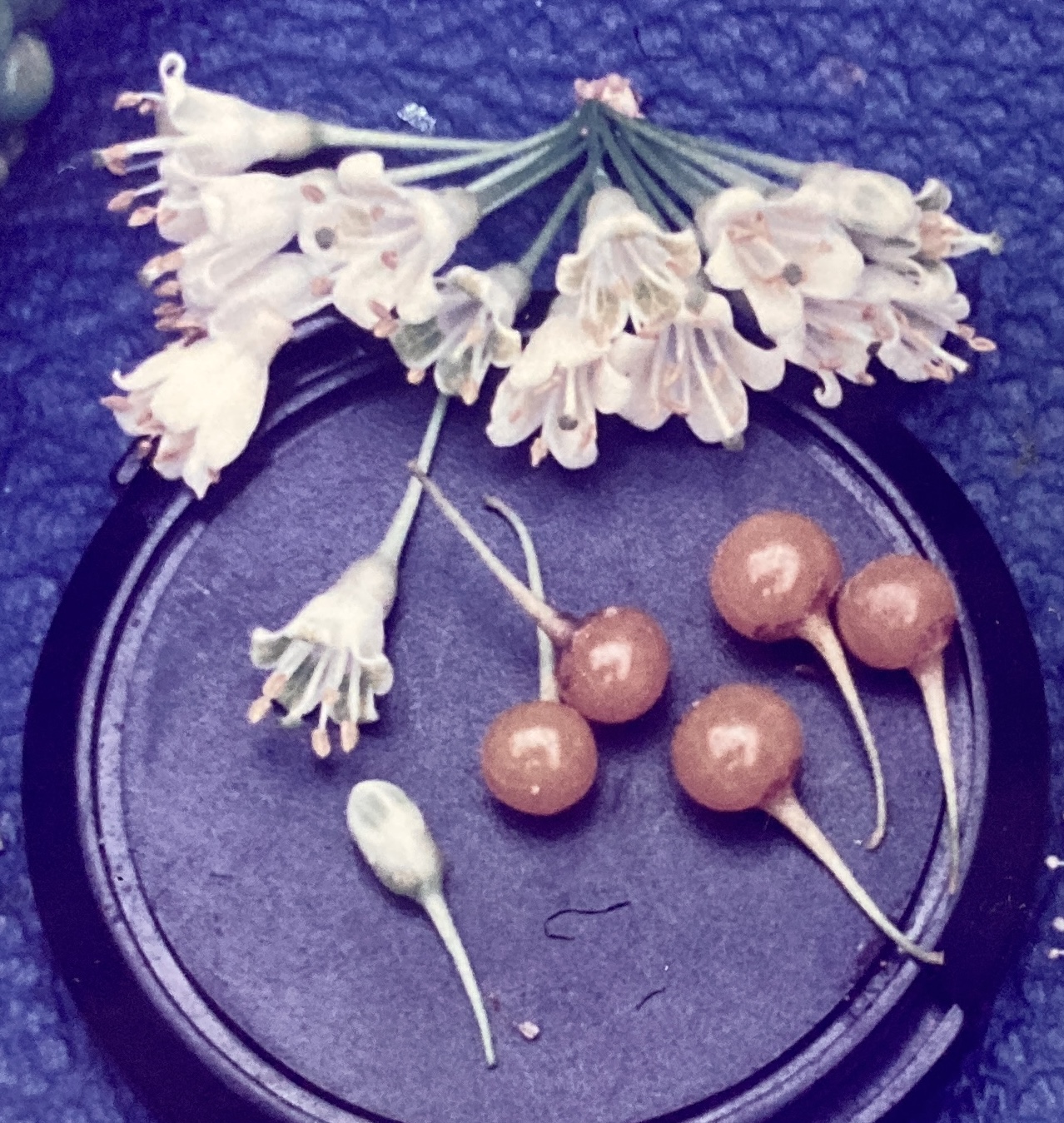
Güitite’s white flowers appear in bundles from leaf axils along bare portions of the branches from which leaves have already been lost. The prominent corolla consists of five fused petals that form a bell-shaped tube that ends in five, flaring points. Inside, an equal number of white-stalked, tan-anthered stamens surround a central pistil. Flowering occurs at the end if the dry season, around April and May. The small fruits (0.8cm) then grow rapidly, maturing as they change color from glossy green to bright orange as spherical berries.
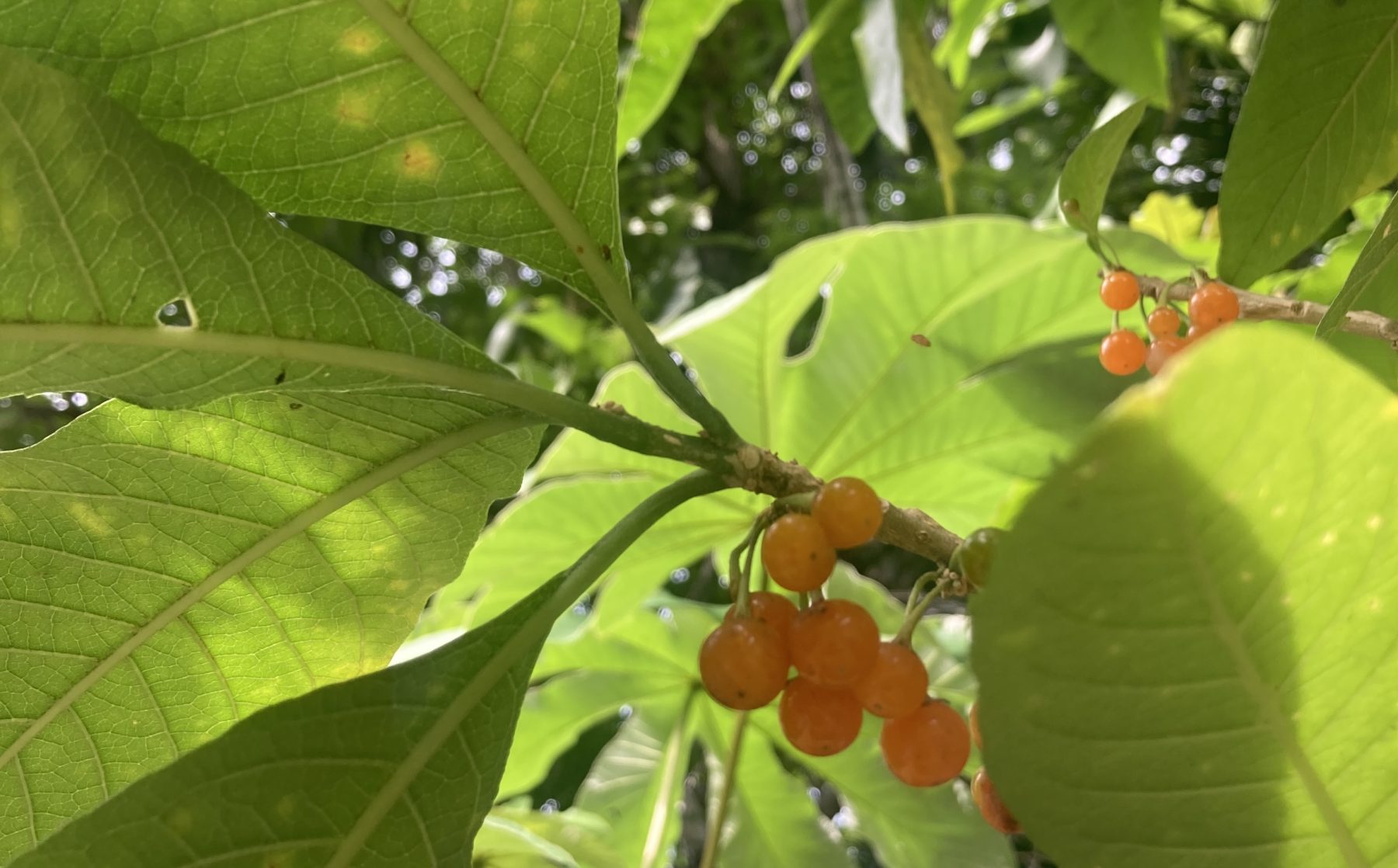
Natural History: Flowers are pollinated by bees and other insects. The fruits are very popular among avifauna like Clay-colored Robins, Blue-grey Tanagers, Saltators, doves and a host of others.
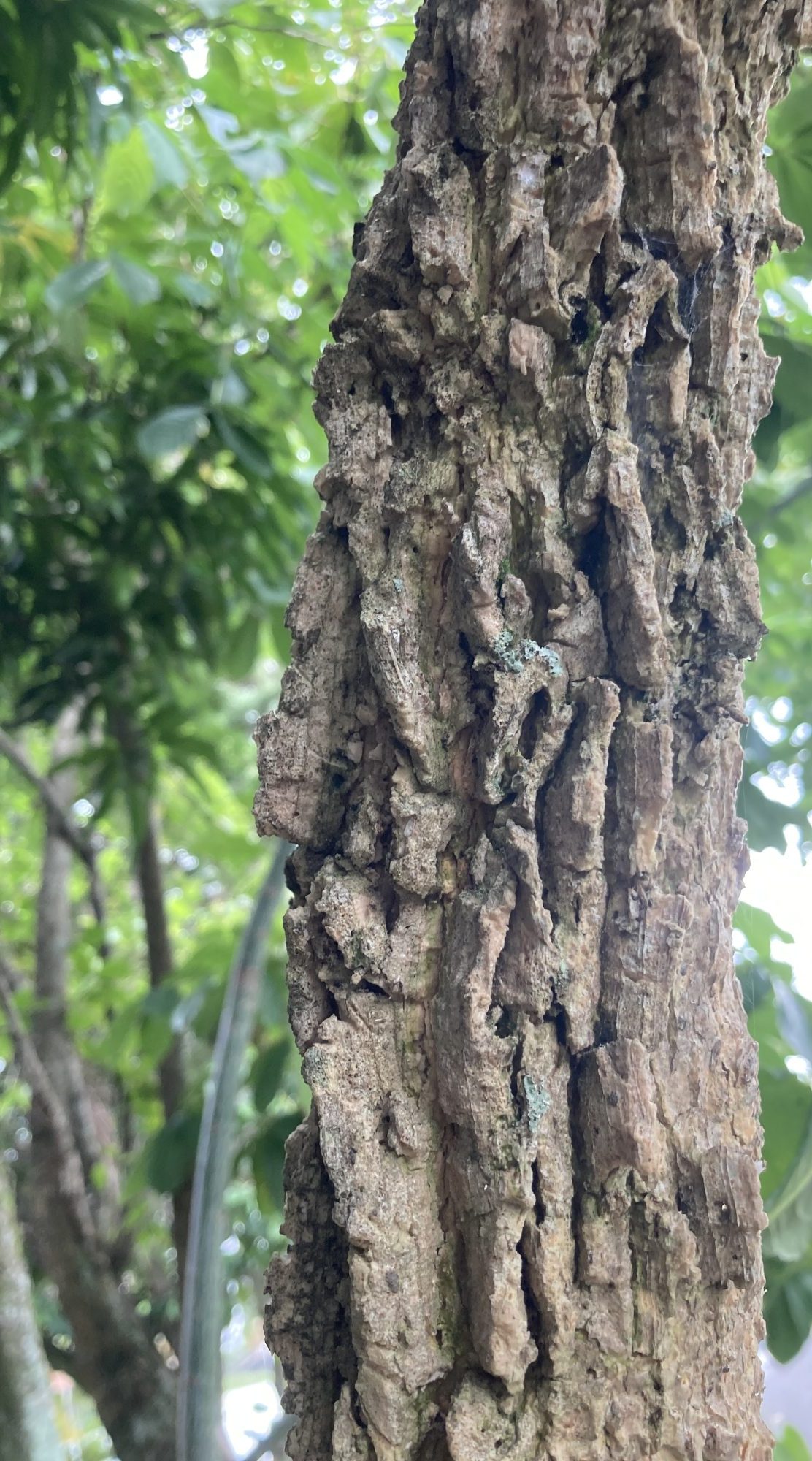
Uses: The bark of this tree is much sought after as a substrate for orchids and other epiphytic plants since it is deep, soft, porous and spongy, holding water and undoubtedly other nutrients as well. Notably, trees in the wild do not seem to support significant quantities if this type of growth.
Range: Güitite has been widely planted and dispersed in Costa Rica, thanks to its attractiveness to wildlife and its ability to support the growth of orchids and Bromeliads. The species ranges from southern Mexico to northern South America.
 Trees of Costa Rica's Pacific Slope