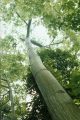
Boraginaceae
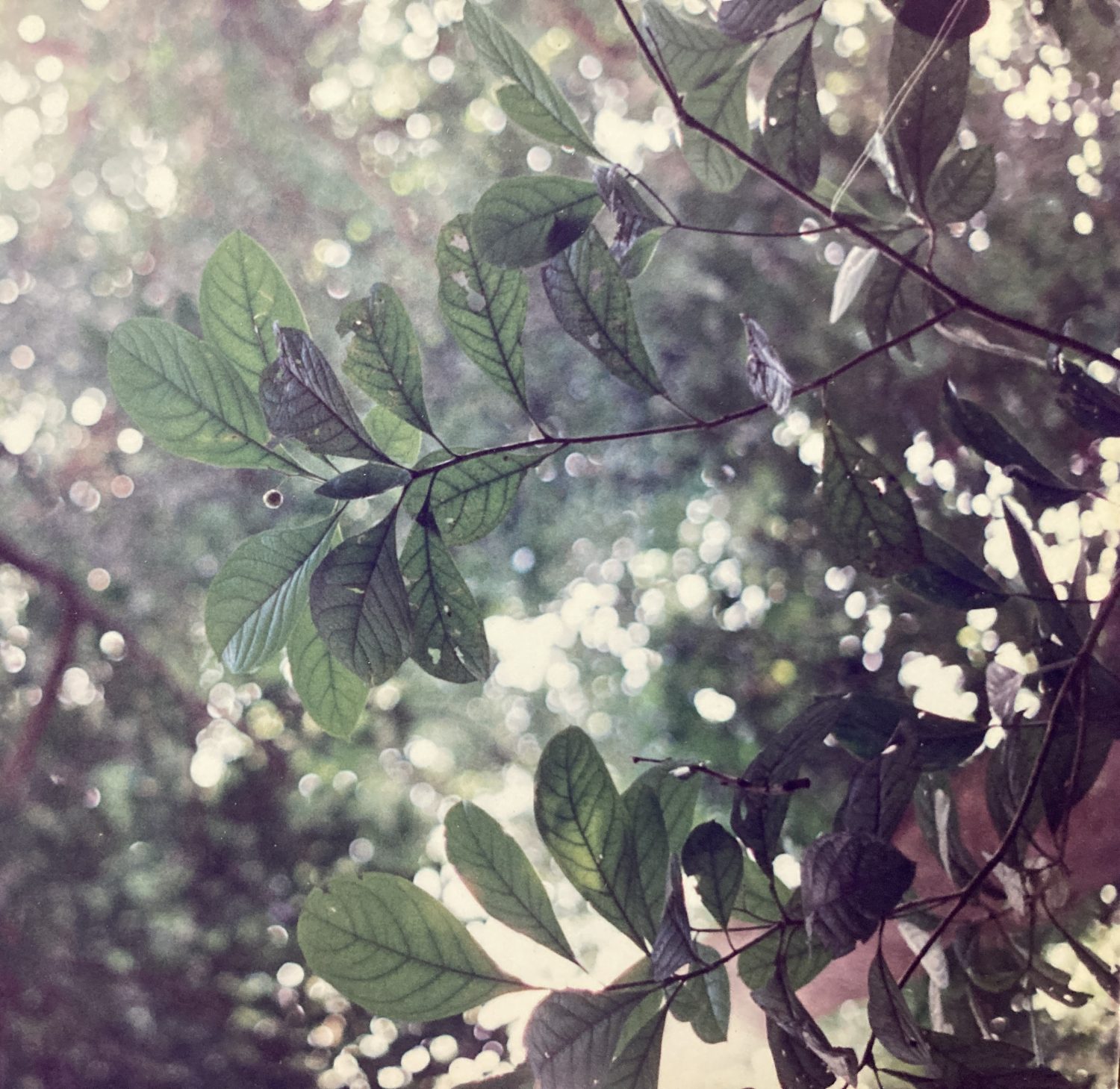
Rare evergreen understory treelet (3-6 m) occupying the dark and wet lower layers of undisturbed, primary forest. Bourreria generates semi-annual bursts of white, tubular flowers that are followed by small crops of green, spherical fruits.
Description: With a stem reaching only about 8 cm in diameter, Bourreria is a diminutive as well as scarce component of the forest in Manuel Antonio. Clad in smooth, brown bark, the vertically growing stem supports a moderate number of nearly horizontal branches and an open, airy crown measuring several meters across. Leaves (16 cm by 7 cm) are simple, alternate, and loosely grouped around the ends of the twigs. The broadly spatulate (paddle shaped) to elliptical blades are held by short petioles (1 cm) and lack drip-tips. Bourreria foliage is also smooth, entire and prominently patterned by pinnately arranged leaf veins. New leaves are added to the pre-existing leaf cover in October and, less regularly, in May.
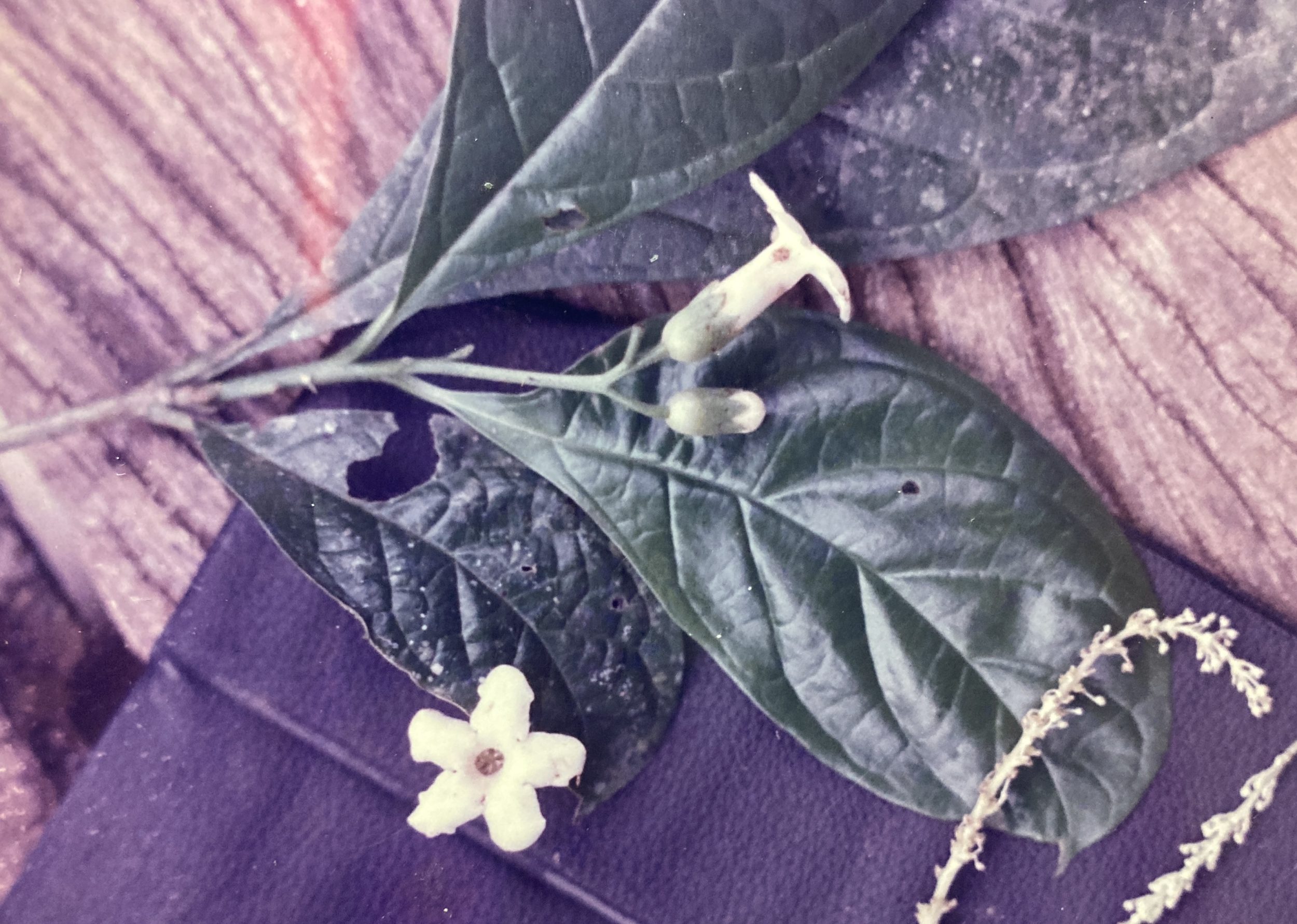
Flowering takes place immediately thereafter, with blossoms (1.5 cm) appearing in small, terminal panicles held just above the crown. The flowers are white and trumpet shaped, sporting cylindrical corolla tubes that flare distally into 5 petal-like lobes. Supported by a green, cup-like calyx, the interior of each corolla conceals five stamens and a central pistil. Bourreria blossoms smell weakly – and unpleasantly – of cloves. Flowering periods are semi-annual, with the first occurring in late May and June and the second in November. Roughly spherical in shape, the green fruits expand rapidly from the ovaries of dying flowers. The persistent calyx remains, conspicuously covering the bottom third of the fruit with its now-jagged edges.
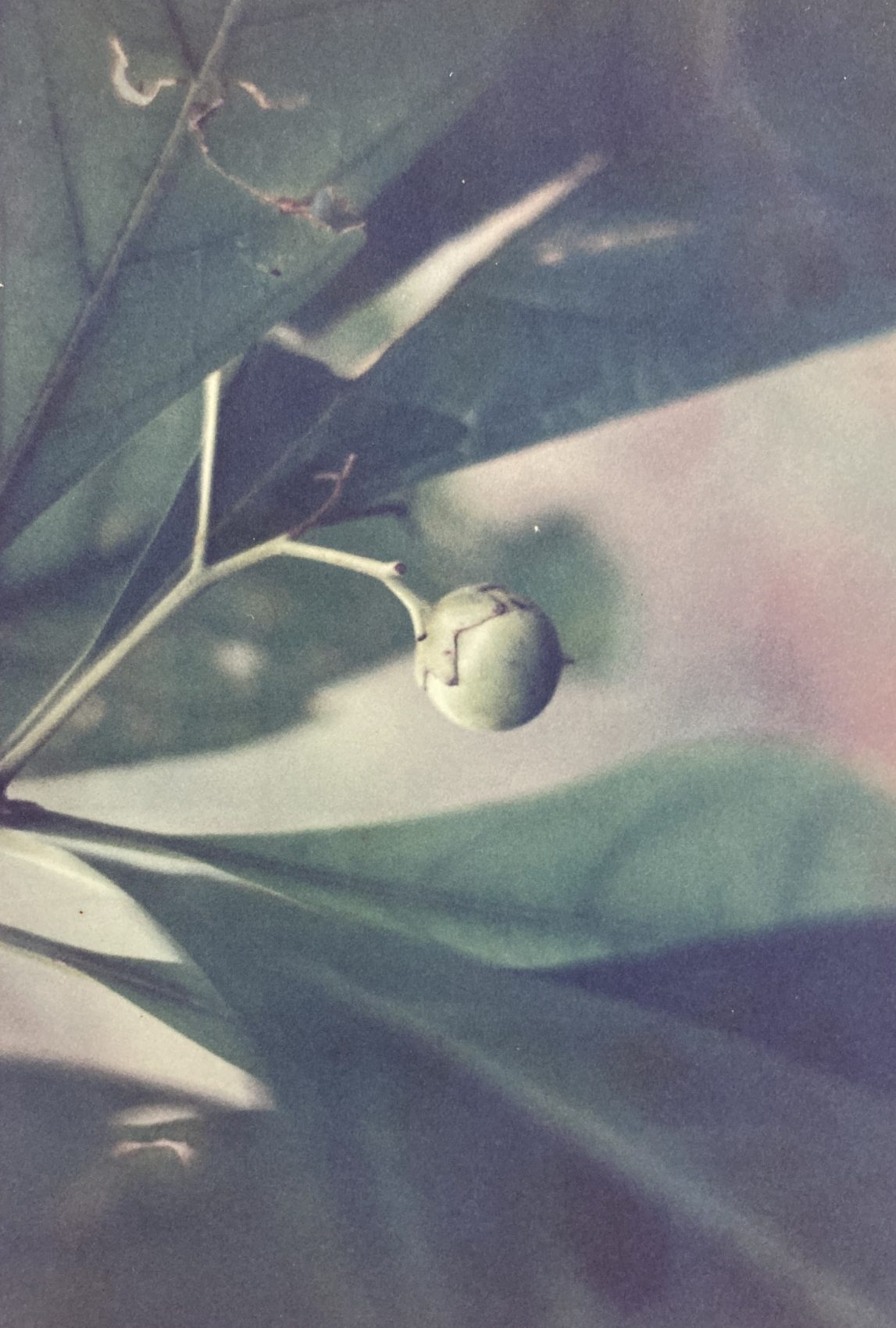
Fruits mature after two months of development, when they finally measure 2 cm in diameter and turn darker in color. Below a thin layer of soft flesh, each contains a solitary, globular seed. Harvests take place annually in October (resulting from the June flowering) and, less consistently, in March (from the November flowering).
Similar Species: Many of the Sapotaceae and Boraginaceae species present in Manuel Antonio have leaves similar to Bourreria, with Pouteria subrotata and Cordia collococca (Muñeco) leading the list. Under most circumstances, Bourreria‘s status as an extremely small and thin understory species should make distinguishing it from these taller trees possible.
Distribution: In Manuel Antonio National Park, Bourreria is rare and confined to the dark, moist understory of the primary forest.
 Trees of Costa Rica's Pacific Slope