Cupania rufescens Triana & Planch.
Sapindaceae
CANDELILLO
Rare, evergreen, understory tree (10-15 m) usually found in sunny locations alongside trails or in forest light gaps. Dominated by reddish-brown hues, this small tree has characteristically stiff and creased foliage whose veins, petioles and twigs are densely covered by short, stiff, rust-colored hairs. Cupania also has an unusual, three part fruit capsule that contains glossy-black seeds with incomplete arils.
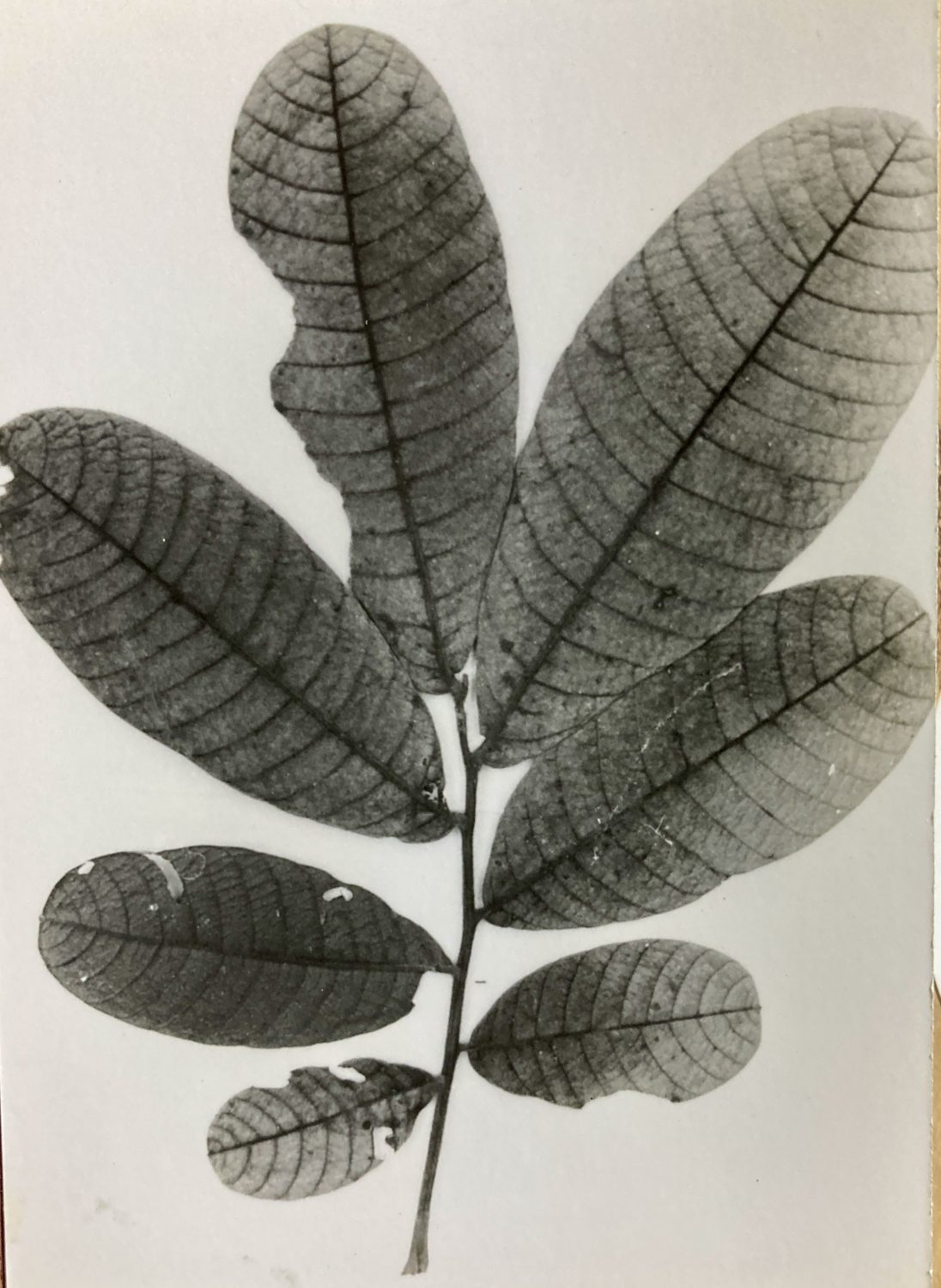
Description: Cupania has a cylindrical, straight trunk that rarely exceeds 15 cm in diameter. Its bole lacks buttresses and is covered with smooth, tan-colored bark subtly scared by horizontal lenticels. The tree’s branches, numbering relatively few, are clustered along the upper one-fourth of the trunk. Incomplete and patchy, the crown they form is riddled with gaps – though rounded in overall shape. Leaves (38 cm by 30 cm) are paripinnately compound, and alternately arranged. Each consists of approximately eight elliptical leaflets, themselves alternately positioned along the petiole. Organized in order of increasing size from the base of the petiole outward, their dimensions range from 10 by 5 cm to 21 by 8 cm. The surprisingly stiff, thick and brittle leaflet blades are elliptical in shape, lack drip tips, and sport entire, downwardly curling margins. Veins, petioles and twigs are densely covered by fine, brush-like, rufous hairs that lend a characteristic ruddy color to individuals of this species and that give the leaves a rough and gritty texture. New foliage is produced slowly but continuously all year.
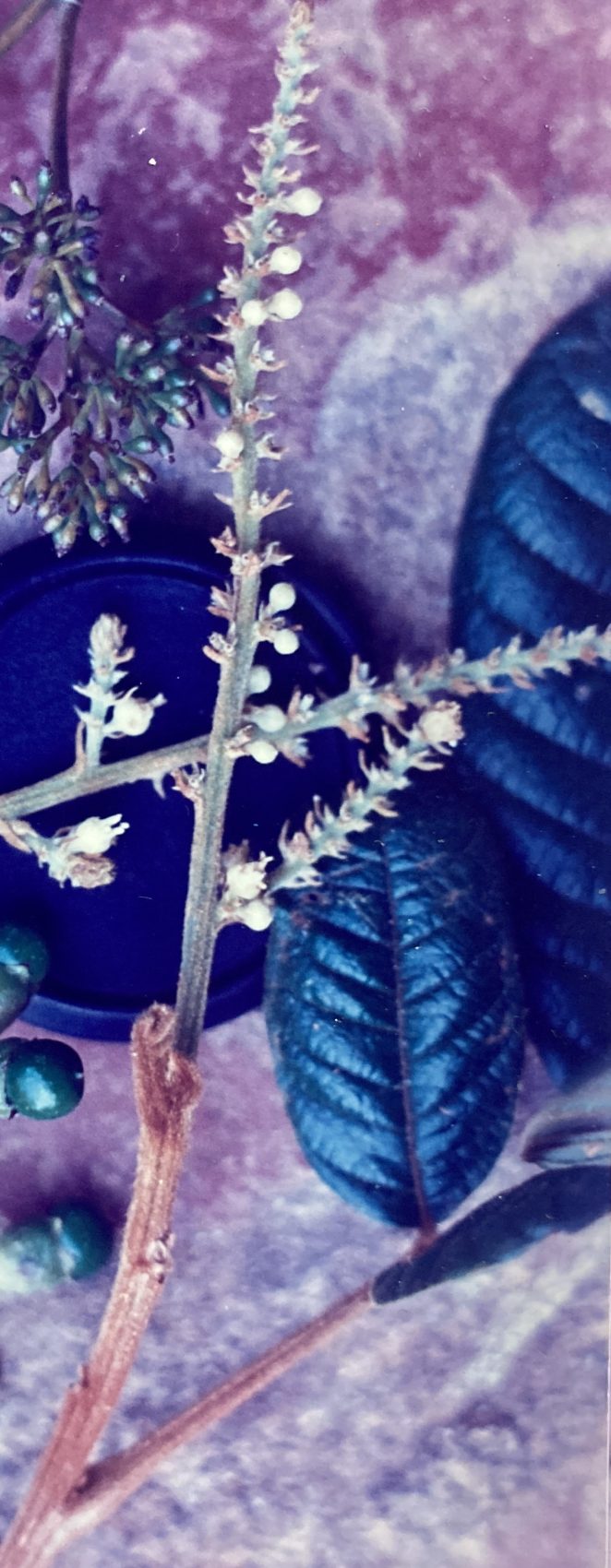
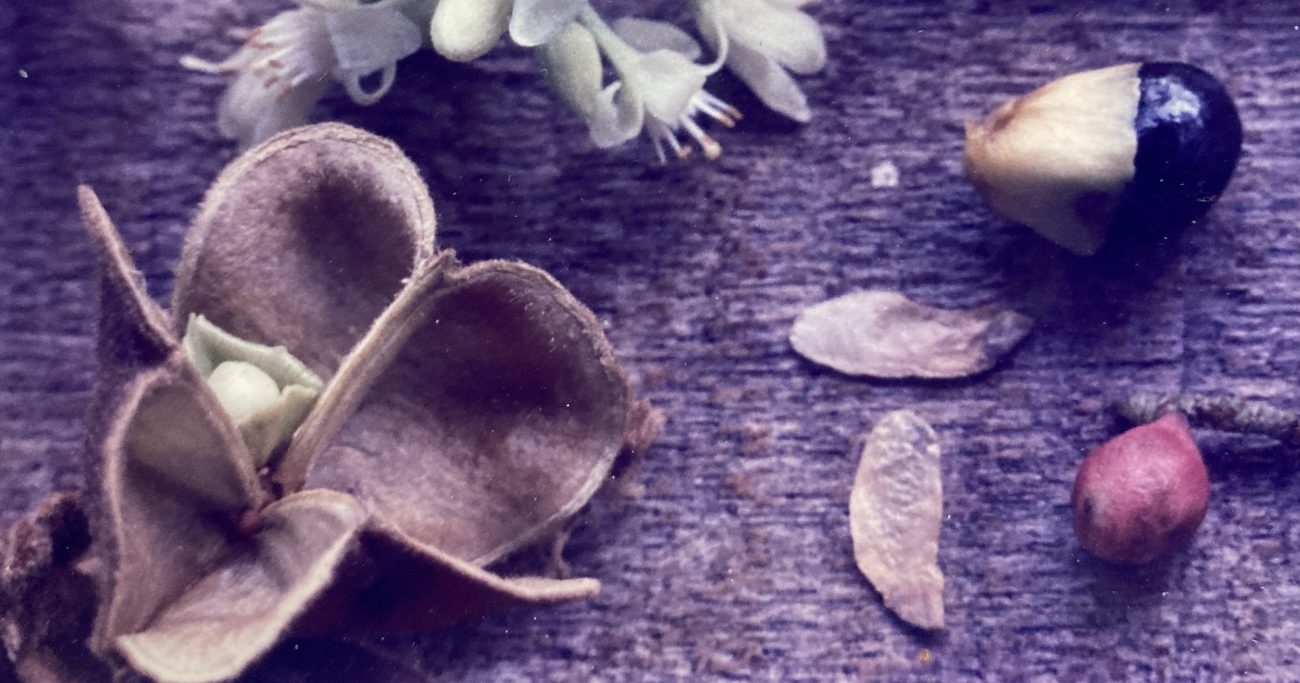
Flowers grow from leaf axils on long (15 cm), woody panicles – structures that are also covered with reddish brown hairs. Nearly sessile, the creme colored, pentamerous, globular (4 mm) blossoms contain small sepals that adhere closely to the slightly larger petals. The corolla forms a small tube from which protrude a set of yellow-anthered stamens and a shorter, central pistil. Cupania trees flower annually, maintaining a low but constant level of activity for an extended period of time. Flowers may be observed from late January to early April.
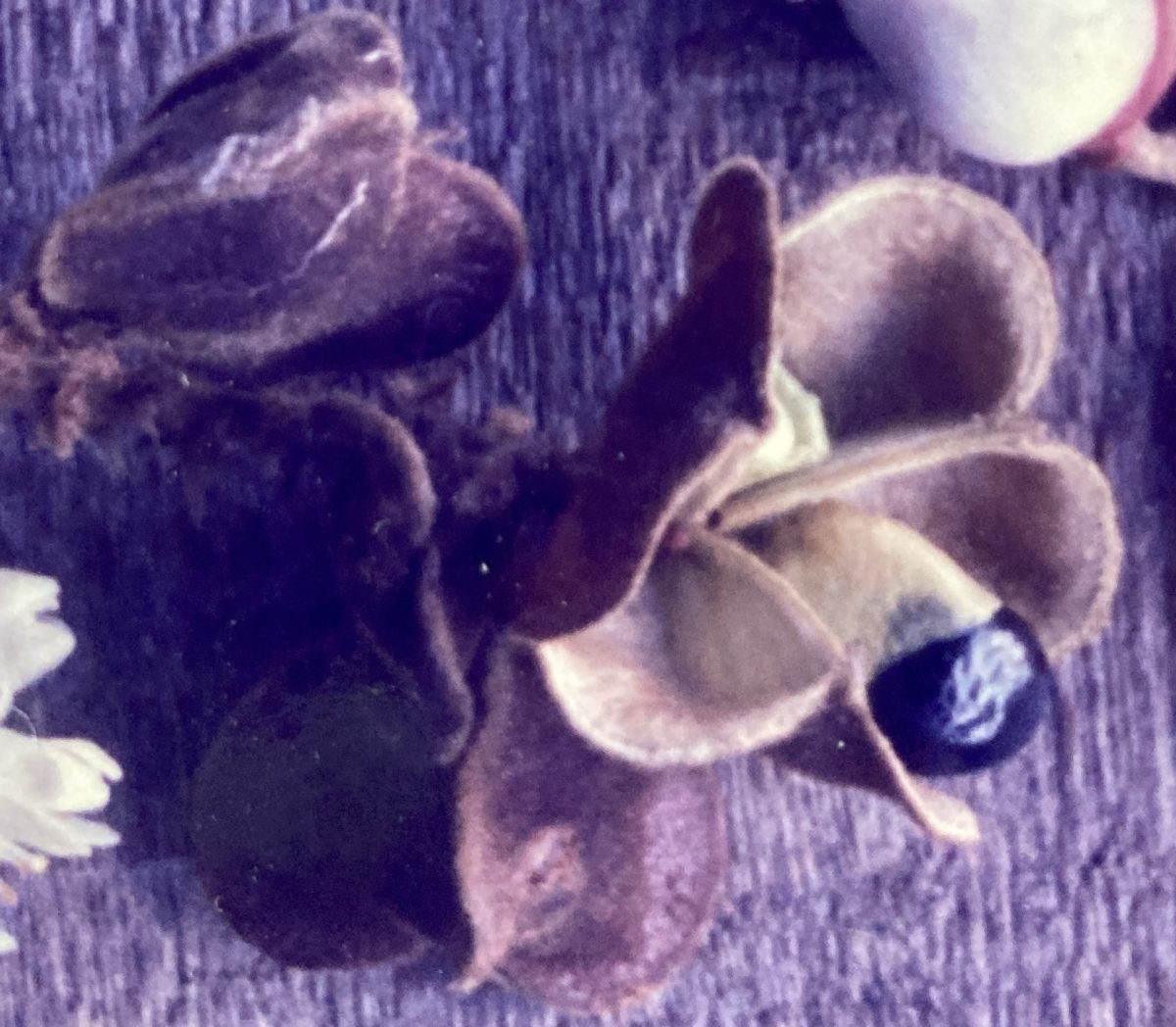
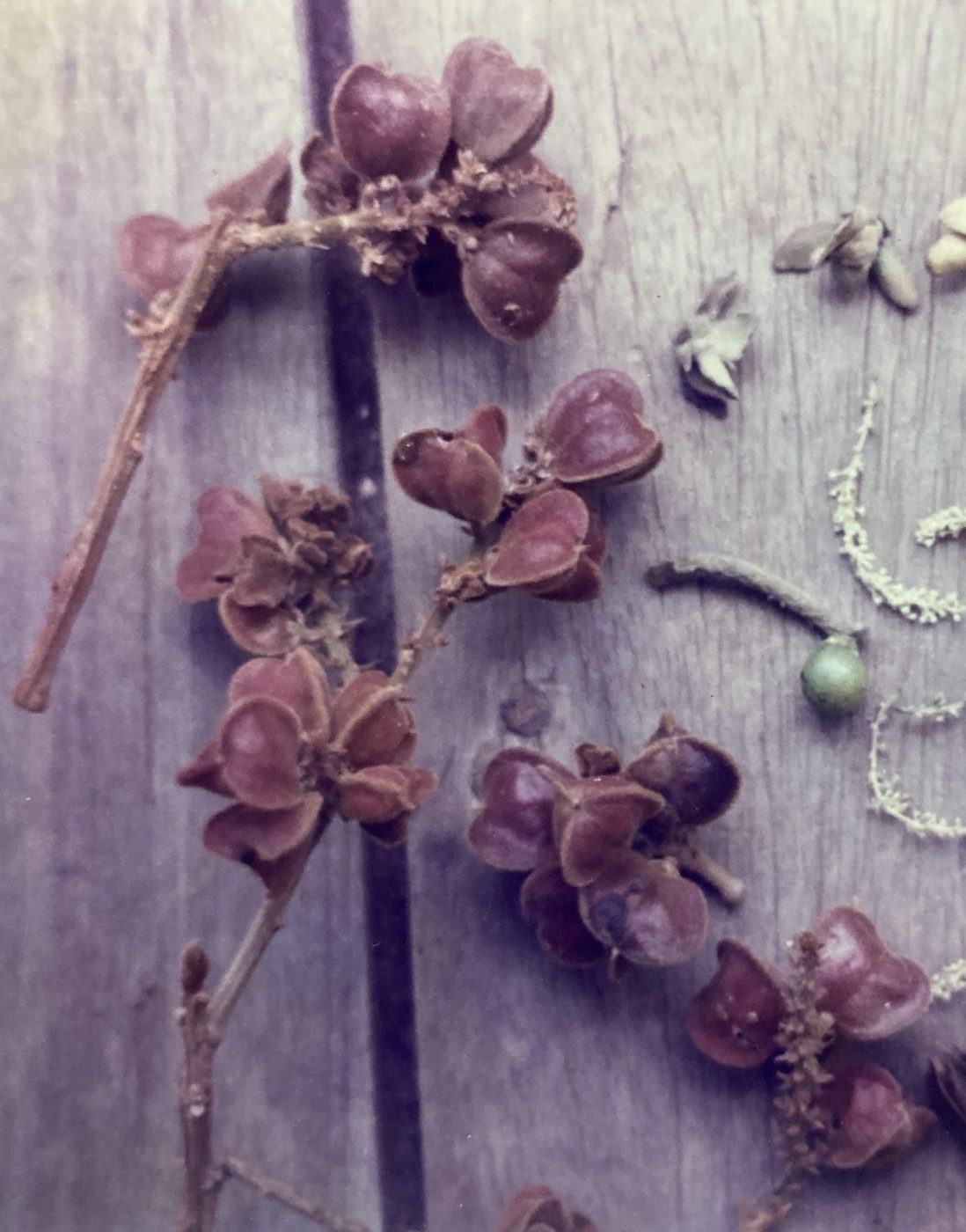
By April, angular, dehiscent, three-part fruit capsules are visible at the ends of the panicle spikes. Held above and away from the surrounding foliage, they are clearly visible to foraging avifauna. Mature pods (2.5 cm in diameter) have a thin, bark-like texture and a marked red-maroon tinge. Inside, popcorn-kernel-shaped, glossy black seeds (0.8 cm) lie half-concealed by a thin, yellow aril. Harvests last from May through early June, as the capsules slowly open and release their contents.
Similar Species: Cupania, with its compound, stiff, and rufous-hued leaves is a very distinctive tree and it should not be confused with any other species present in Manuel Antonio National Park (MANP) and elsewhere along Costa Rica’s Pacific slope.
Natural History: Cupania flowers are pollinated by bees and other insects. Its fruit capsules dry in the canopy and eventually open there, exposing glossy seeds with attractive, brightly colored arils. These latter structures are used to attract and reward the foraging birds and monkeys (Croat, 1978) that disperse Cupania seeds. The thick, stiff foliage with its associated, ubiquitous pubescence may be adapted to resist the predation of leaf-chewing insects.
Distribution: In MANP, this tree is found along the old ANEP road as well as in other well illuminated areas of primary and secondary forest. It ranges from Mexico to Colombia, Venezuela, the Guianas, and Brazil.
Photos: Leaf Flower Fruit Fruit2 Fruit&Seed
 Trees of Costa Rica's Pacific Slope