Guarea pyriformis T. D. Penn.
Meliaceae
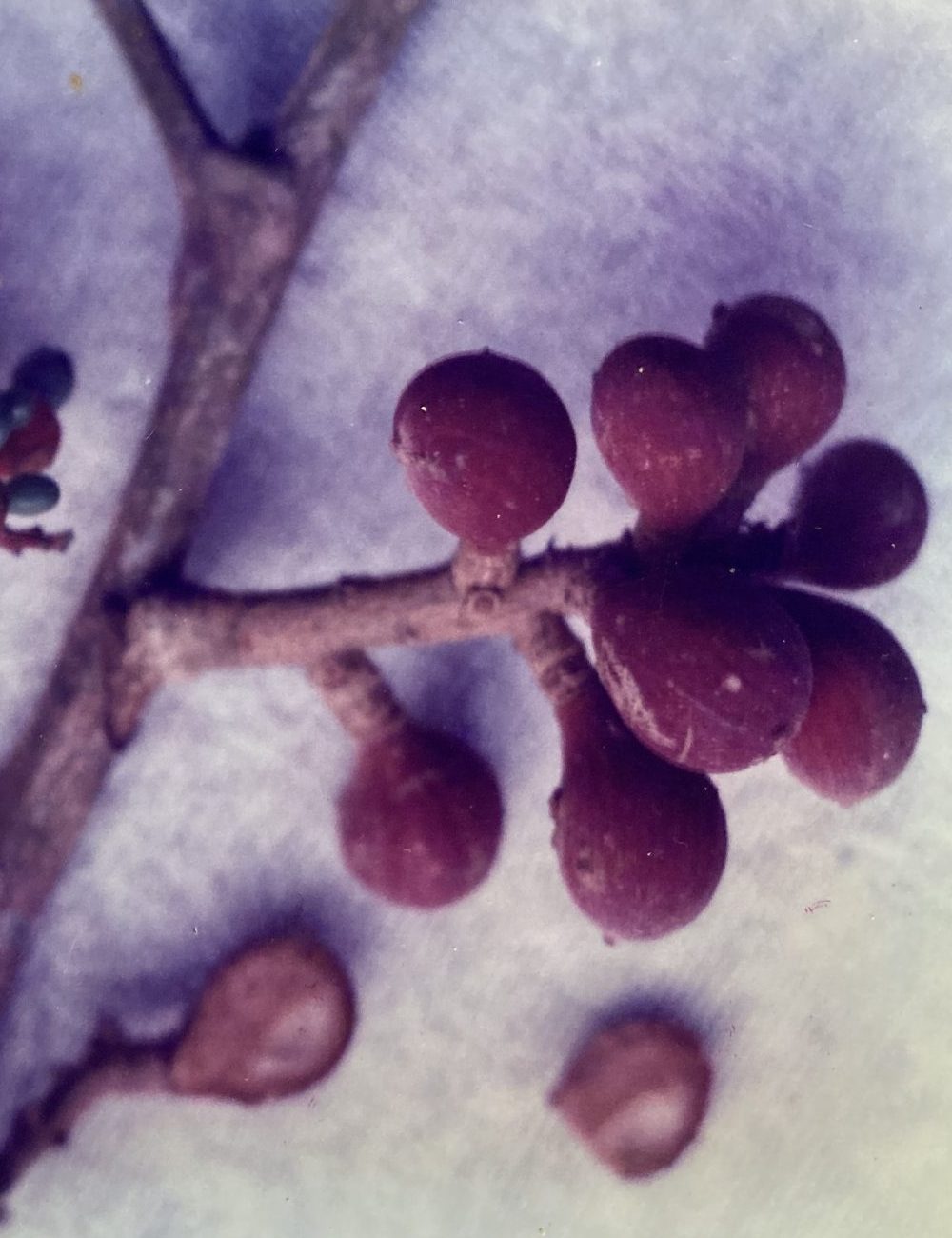
Occasional, understory, evergreen tree (5-10 m) found in the dark, lower layers of the primary forest. As do other members of its large genus, G. pyriformis produces large, dehiscent, bulb-shaped fruits containing red-ariled seeds. Pubescence is a trademark of this species, with petioles, leaf veins, and fruits all covered with fine, velveteen hairs.
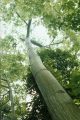
Description: Trunk size in this small, mostly straight tree of circular cross section rarely exceeds 20 cm in diameter. The bole is clad in coarsely textured and noticeably light, tan-colored bark. Branching occurs along its upper half but these limbs are few in number. Their paucity, coupled with a thin leaf cover, produces an extremely open, airy crown.
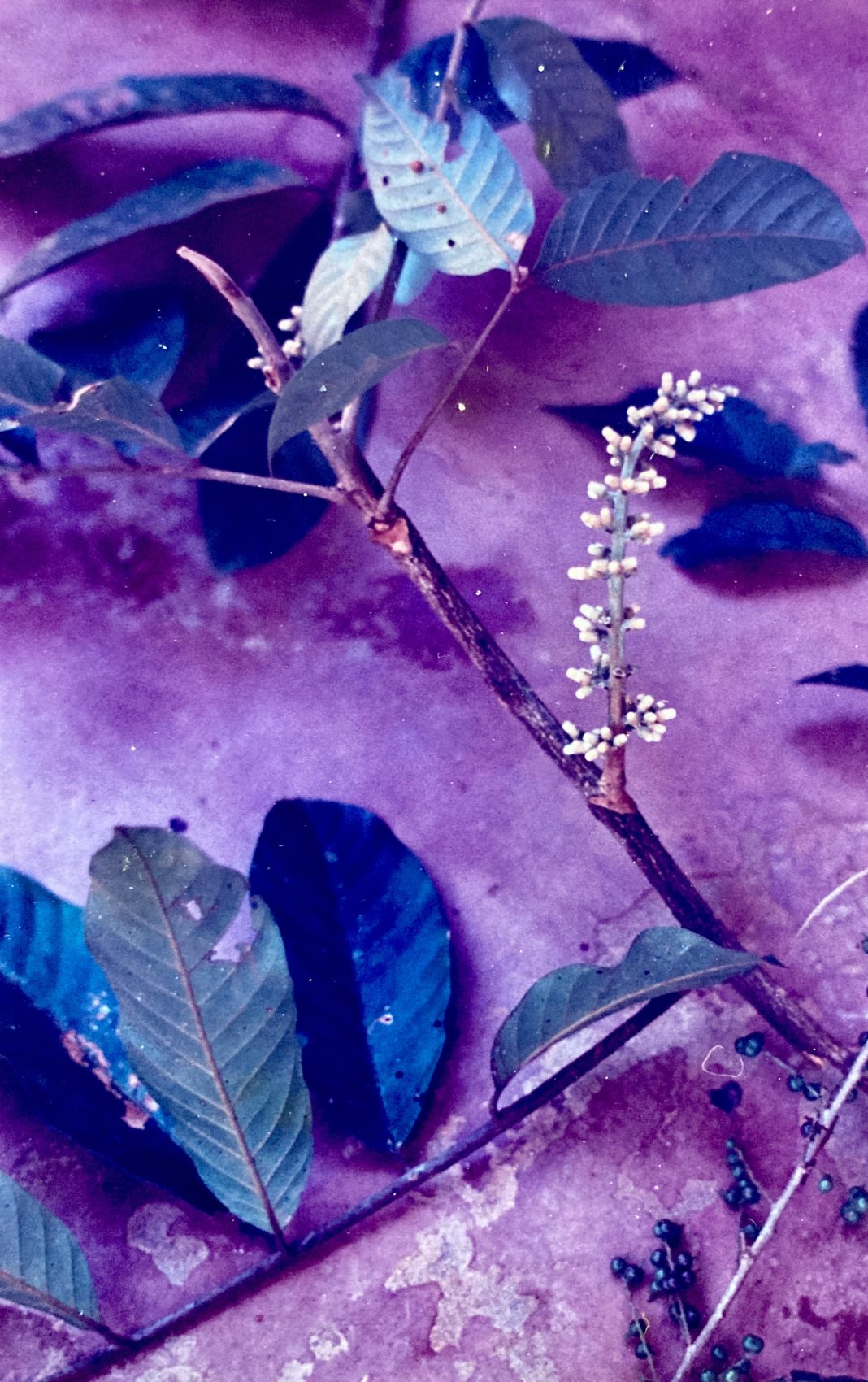
Leaves are pinnately compound and alternate, with new growth occurring from the tips of the petioles. Large, the leaves (ranging from 50-70 cm in length) carry from five to seven pairs of leaflets (20 by 6 cm). Each leaflet blade is smooth above, pubescent below, and marked by a strongly impressed, pinnate leaf vein arrangement. Narrowly elliptical and finger-like in form, these leaflets present only poorly developed drip tips. New foliage emerges flesh colored and limp and is in evidence during sporadic intervals from June through October.
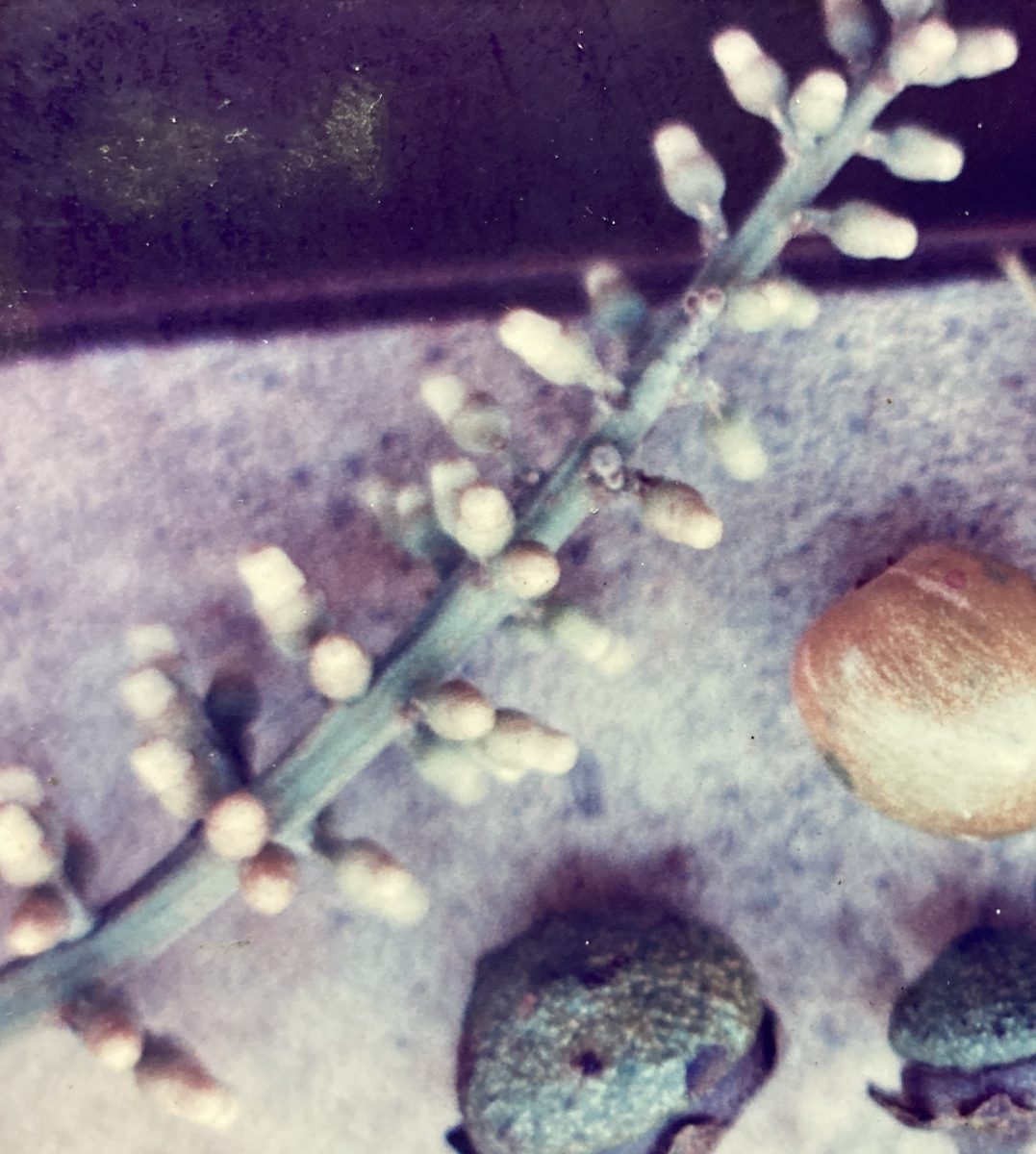
Flowers (1 cm) appear on stiff, woody, slow-growing racemes that emerge from leaf axil scars along bare portions of branches (though they sometimes also occur amid current foliage). Requiring nearly 2 months to mature, each raceme supports around 60 blossoms that are arranged radially (in small clusters) around the raceme’s central stalk. Based in cup-shaped and velveteen calyxes, the flowers are cream colored and unisexual, with male and female blossoms confined to different trees. Each flower consists of 5 narrow petals and a central tube formed from the fused filaments of the anthers (or anther-like appendages). Blossoming occurs from May through mid-June but fertile episodes in this species are often timed with less than annually frequency. Even in productive seasons, synchronicity between Guarea individuals is low – many trees remaining sterile.
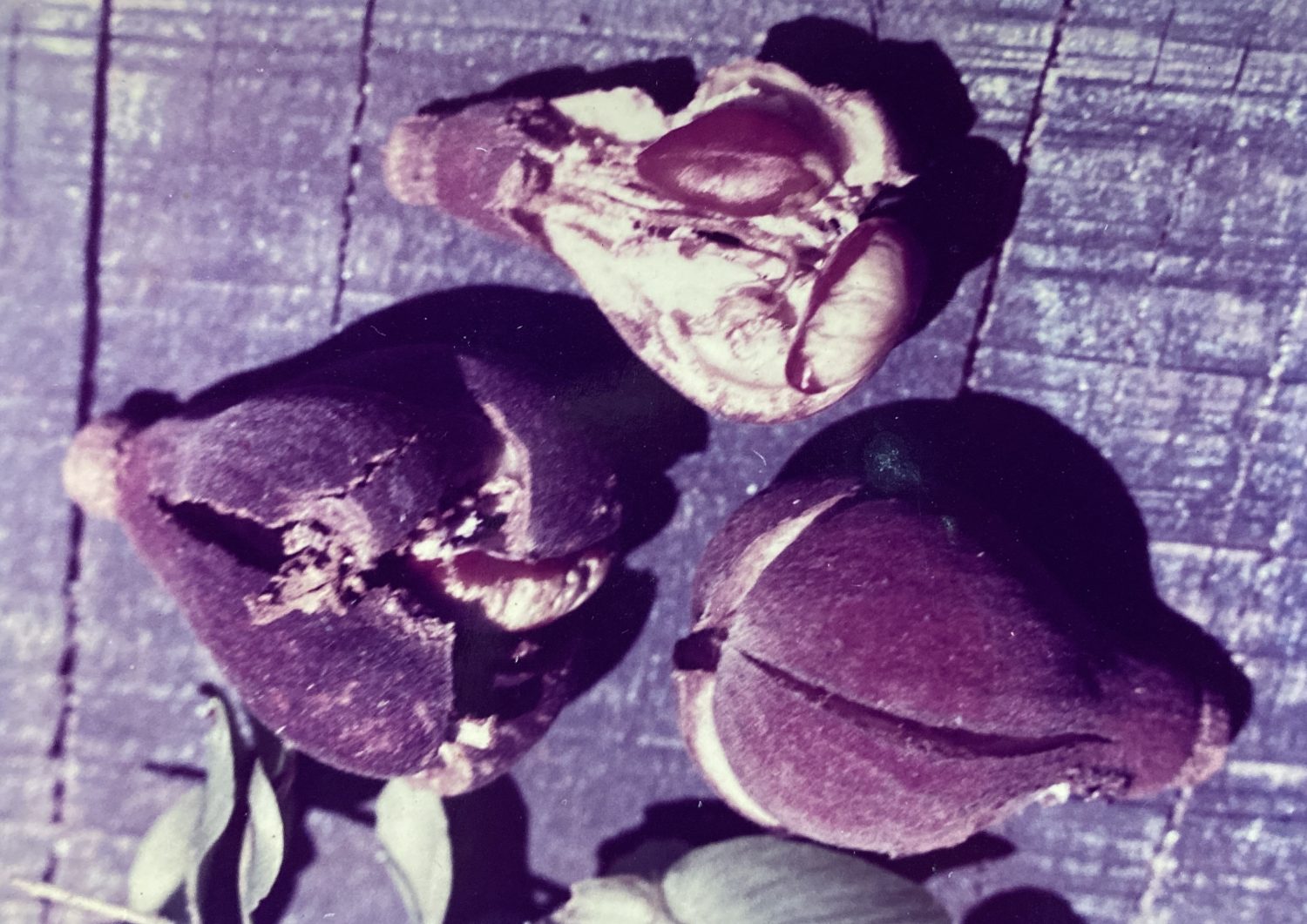
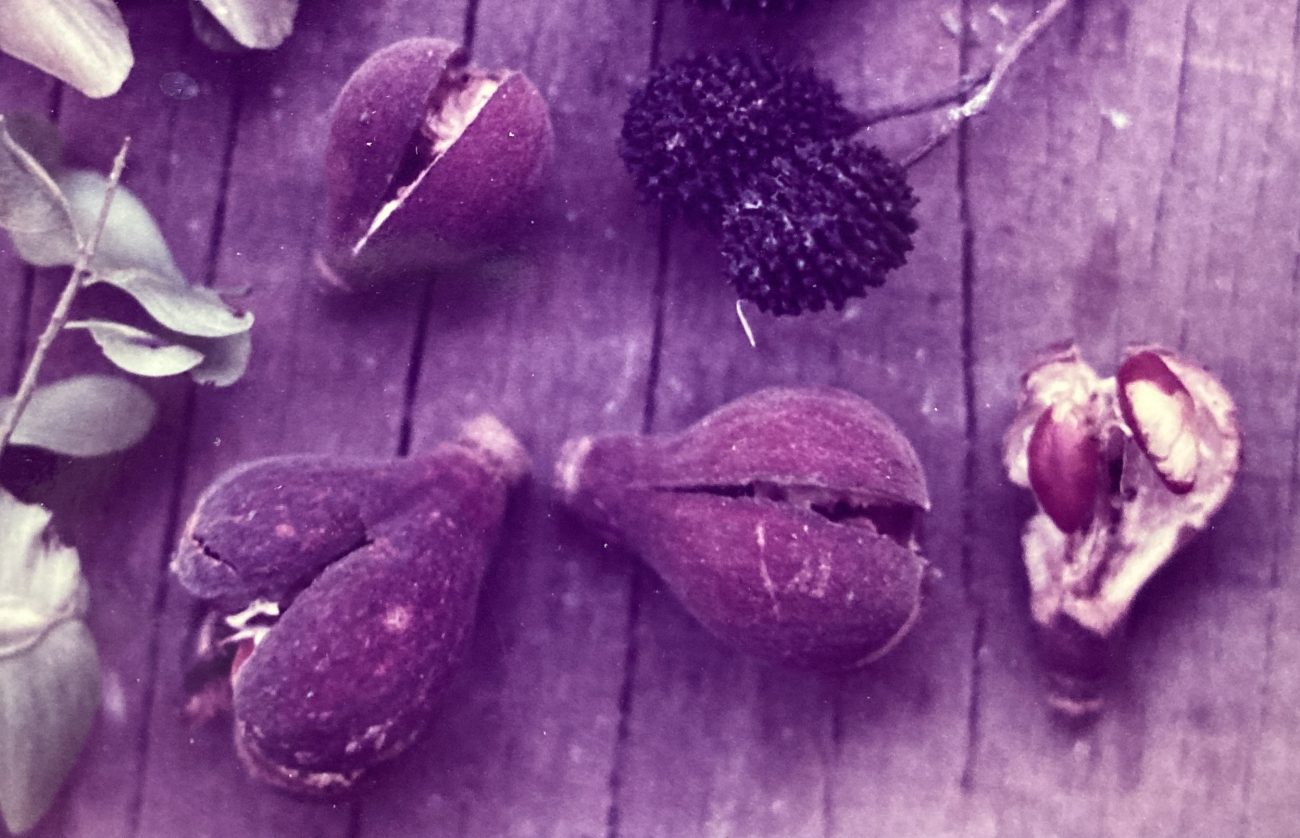
Fruits (4 by 3 cm) are slow-growing, woody, bulb-shaped capsules. Initially a gray-tan color, they finally ripen – 8 or 9 months after flowers have fallen – by taking on a red-wine or maroon hue. The capsules are velvety textured and dehiscent, dividing into four longitudinal sections that open radially and from the distal end. Upon opening, several red-ariled, fibrous seeds (1-2 cm) are exposed. Dangling freely from thin threads that are attached to the inside of the fruit, they remain in full view of arboreal forest herbivores. Harvests occur in February and March.
Similar Species: Guarea leaf shape and tree size are suggestive of Trichilia pallida, another species of the Meliaceae family, and sterile samples of these two trees might be confused. Closer scrutiny, however, reveals T. pallida‘s imparipinnate leaves. In fact, Guarea pyriformis is one of the relatively few species present in Manuel Antonio that exhibits a paripinnately compound foliage arrangement.
Natural History: Guarea flowers are pollinated by bees and insects. This tree’s fruits are probably consumed by birds. Seed visibility is enhanced by the bright-color of the arils that surround them, as well as by their exposed positions – dangling in the open air beneath the pods. Foraging, color-sensitive avifauna (and primates) should have little difficulty detecting them.
Uses: Guarea is a genus whose 35 species are shared by both Africa and America – an unusual, disjunct distribution (Mabberley, 1978). A member of the renown, timber producing, Meliaceae family (e.g. Mahogany, Spanish Cedar) – there exists some possibility that the wood of G. pyriformis could prove valuable. However, Guarea’s small stature restricts its potential use in this regard.
Distribution: In MANP, Guarea is found scattered thinly and unevenly amid stands of primary forest. Small groupings of individuals sometimes occur. The species is endemic to southwestern Costa Rica.
Photos: Leaf Flower Fruit Fruit2 Fruit&Seed
 Trees of Costa Rica's Pacific Slope