Thouinidium decandrum (Humb. & Bonpl.) Radlk.
Escobillo
Sapindaceae
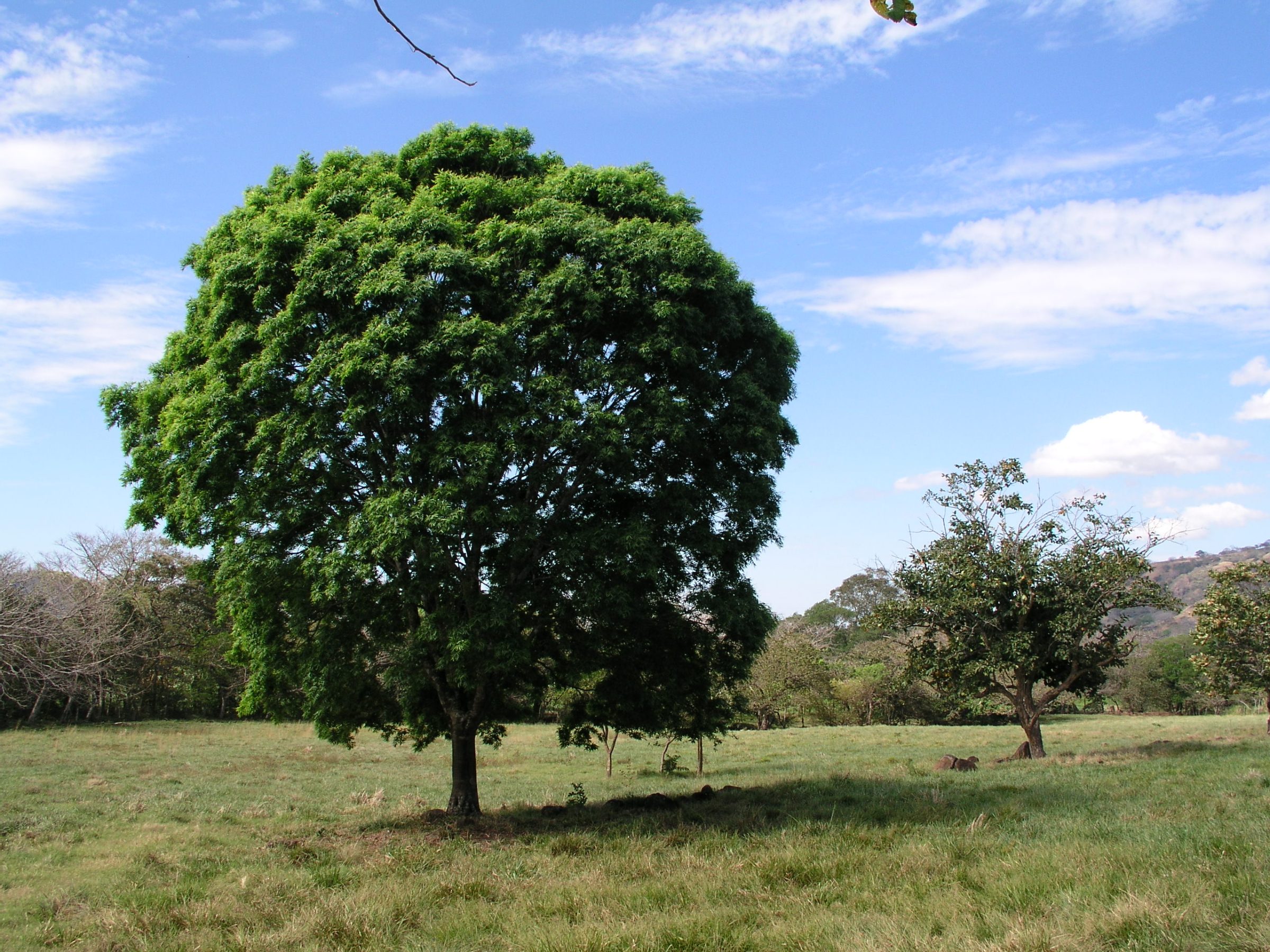
Occasional understory or subcanopy tree (10-15m) most frequently associated with the drier tropical forests of Costa Rica’s Pacific northwest. The species is often seen growing in isolation in pastures and fields.

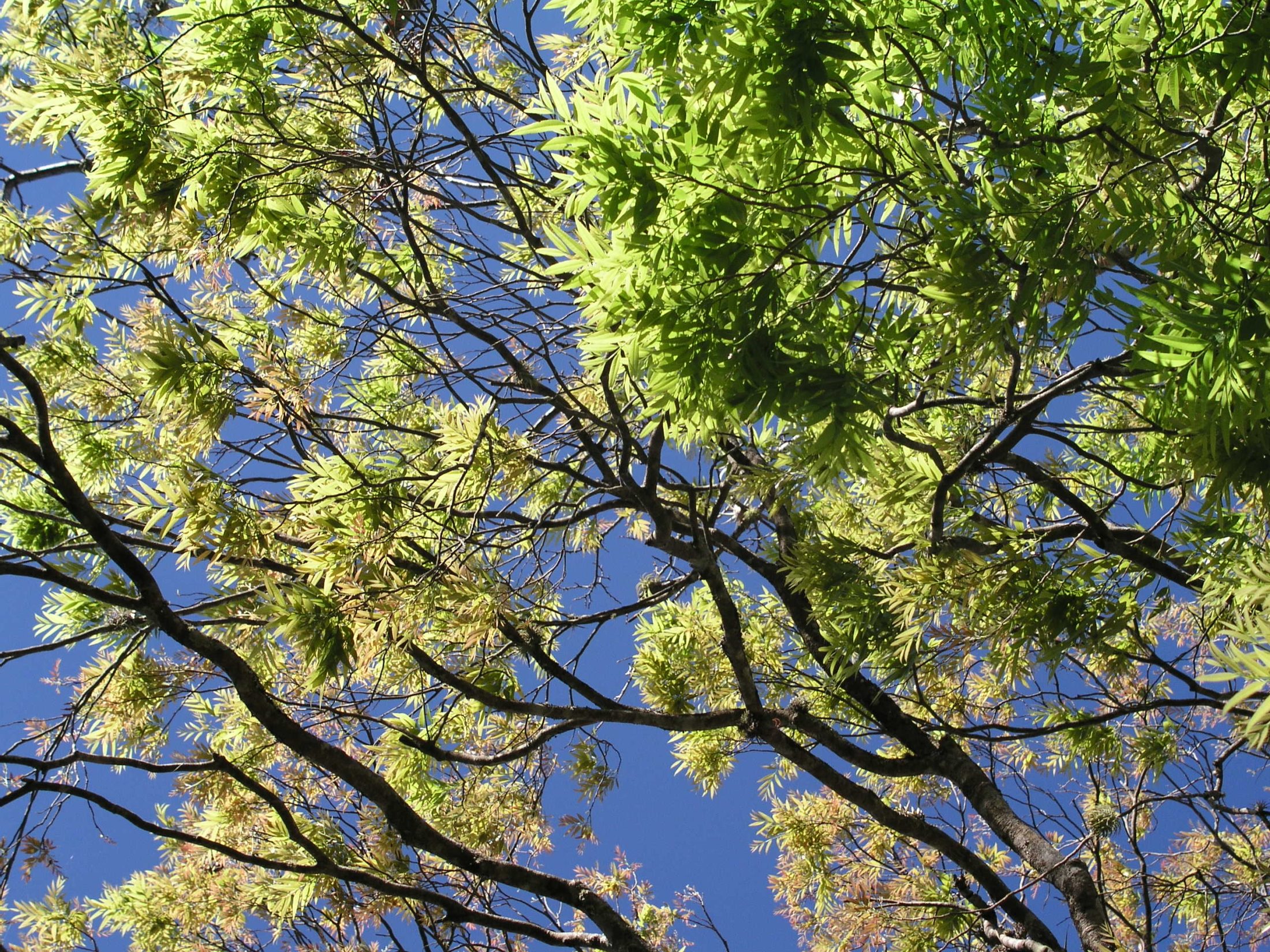
Description: Though of relatively small stature, Escobilla has a mostly straight, cylindrical trunk (20-30cm) clad in thin, smooth grey bark. Prolific branching generates a thick, dense, often rounded crown of dark green foliage.
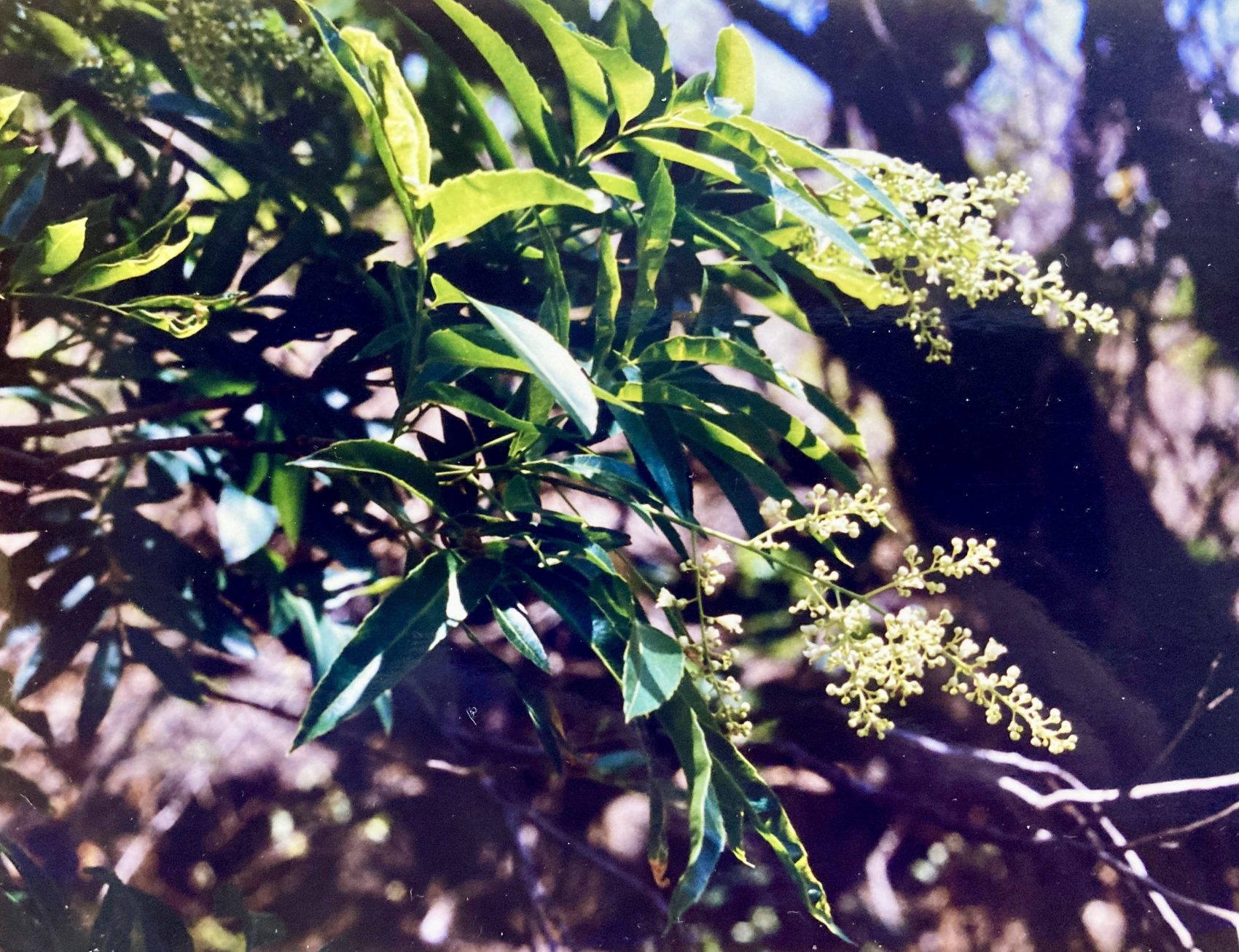
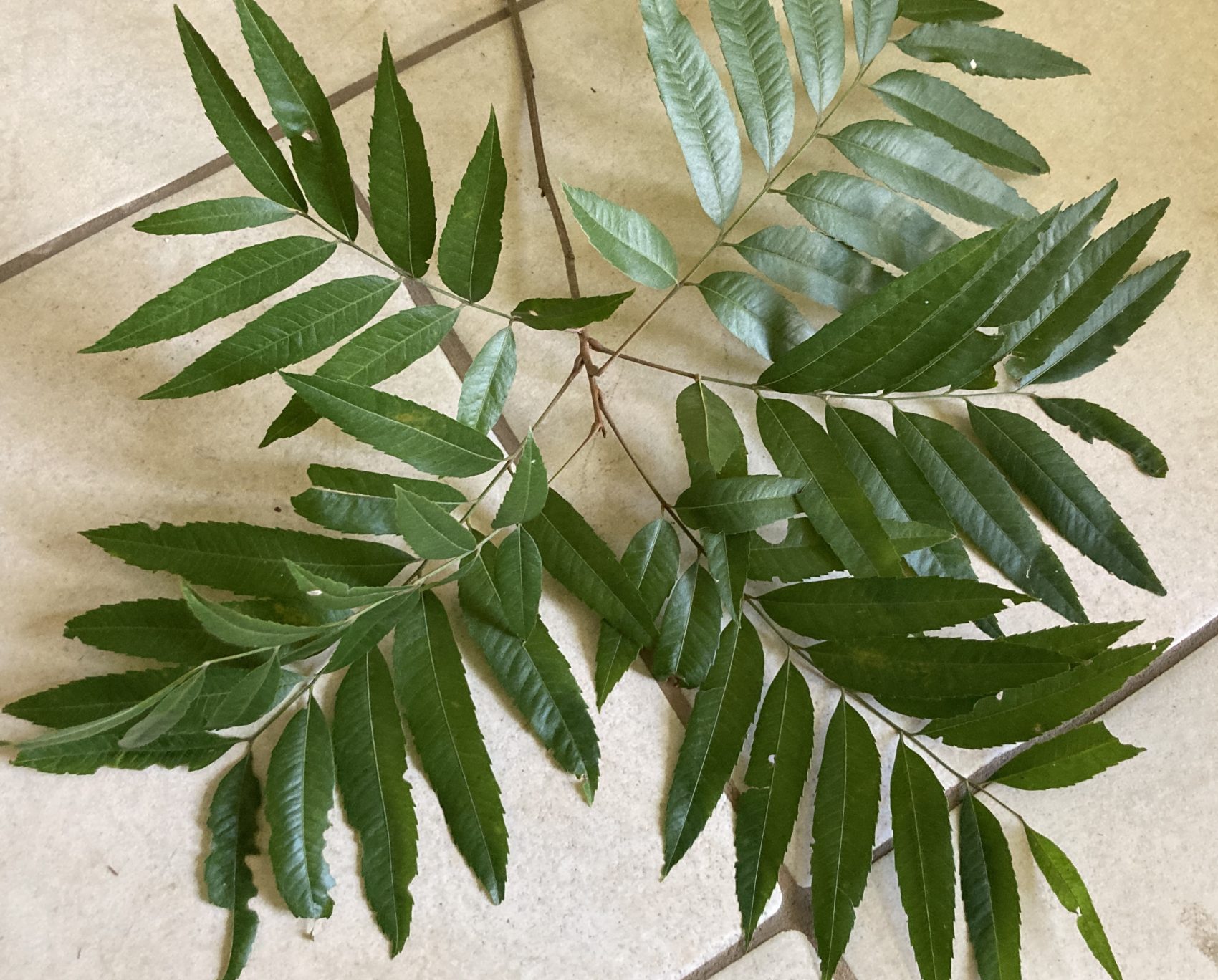
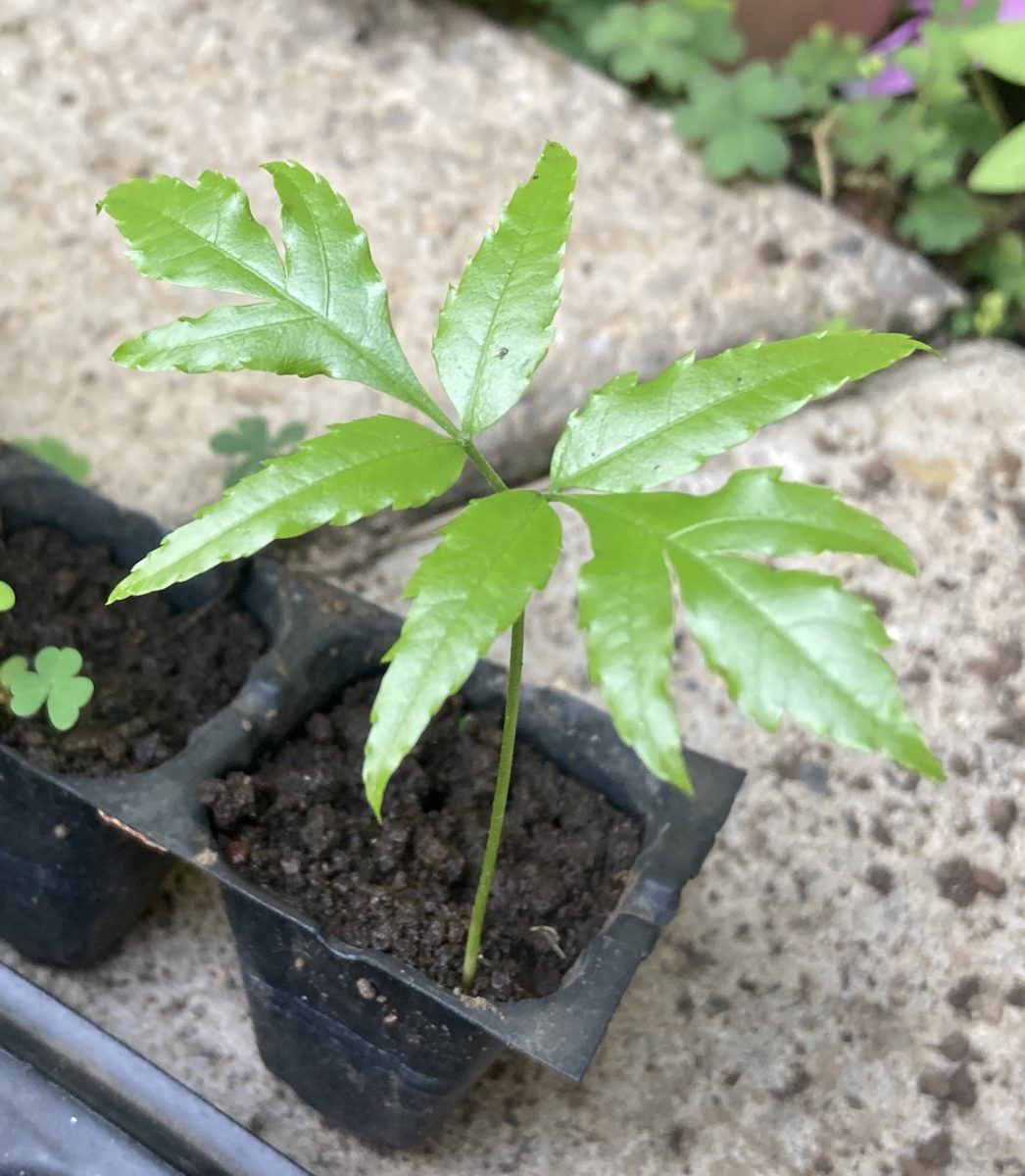
Escobilla leaves (25cm x 20cm) are paripinnately compound, and alternate. Each is composed of around five pairs of long, narrow, and falcate leaflets with mildly serrate margins. All foliage turns yellow and is shed early in the dry season (December), with new leaves emerging shortly thereafter. At this time, the trees stand out for the light, pastel-colored (pink to yellowish or pale green), translucent hues of their freshly renewed crowns.
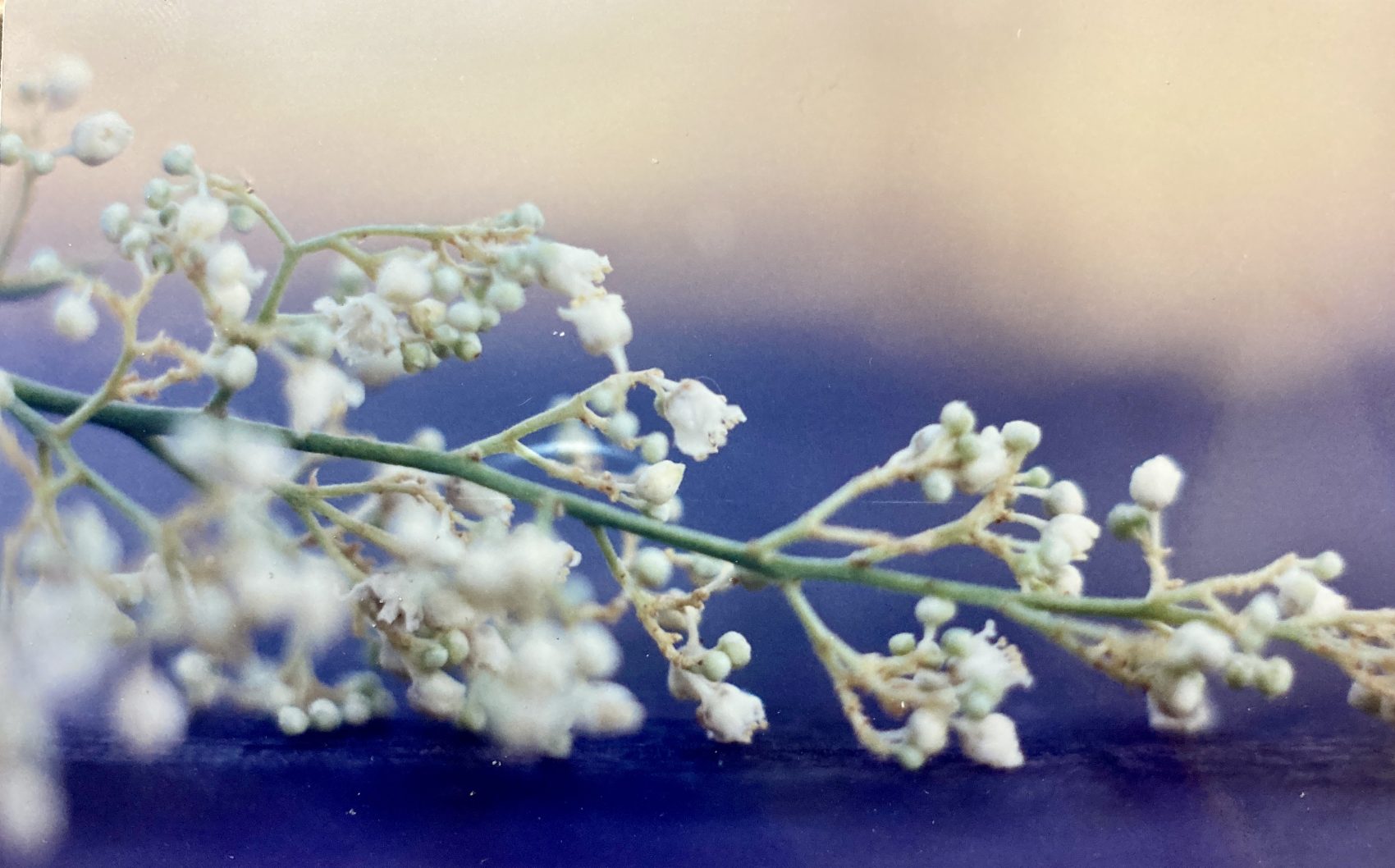
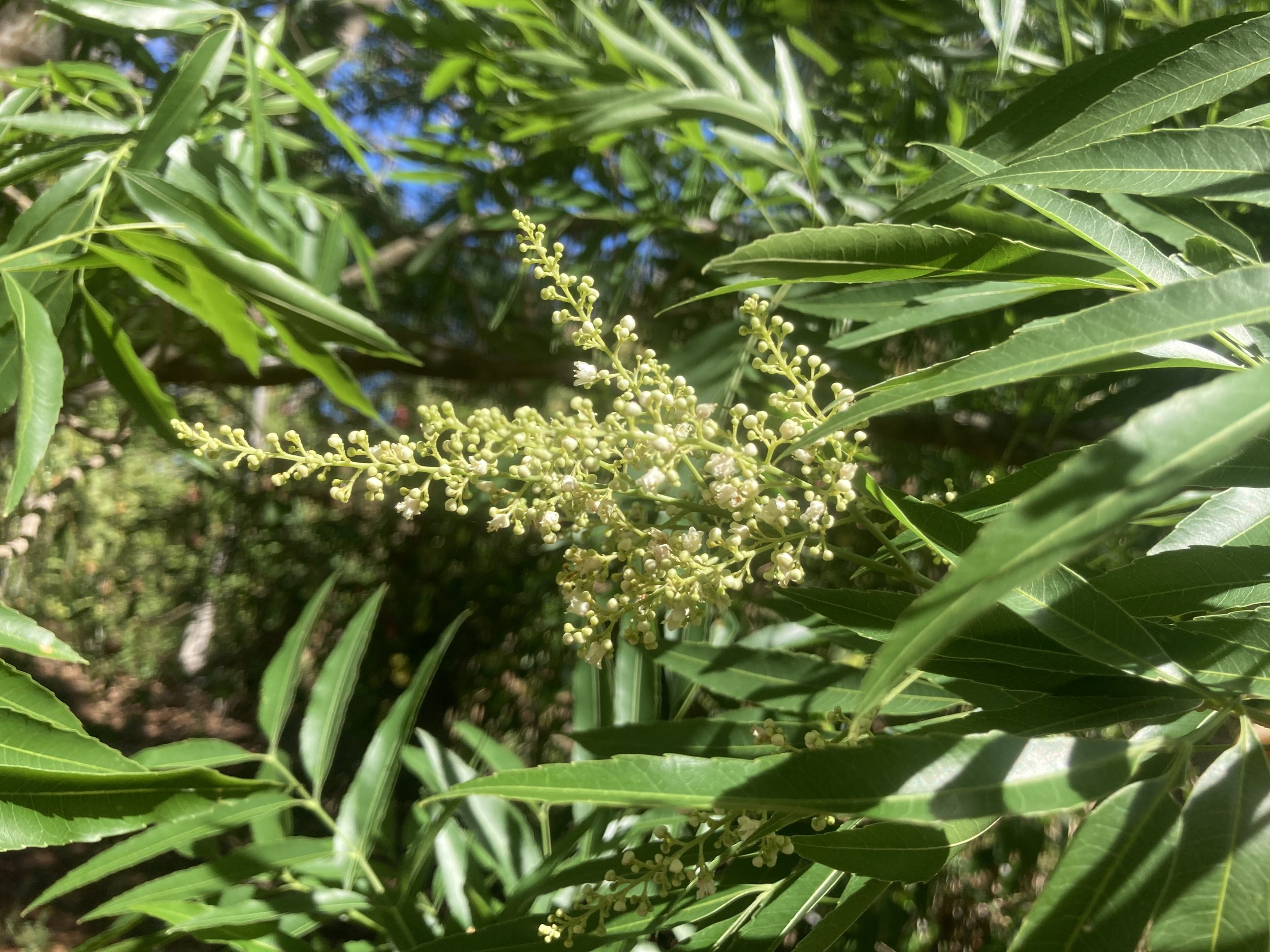
Small and numerous, Escobilla flowers (<5mm) are borne in axilar panicles. Each consists of five crème-colored petals, an equal number of brown-anthered stamens, and a central pistil with a green base. Though separate, the petals do not open completely, giving the corolla a short, tubular appearance. Blossoming occurs in January and February.
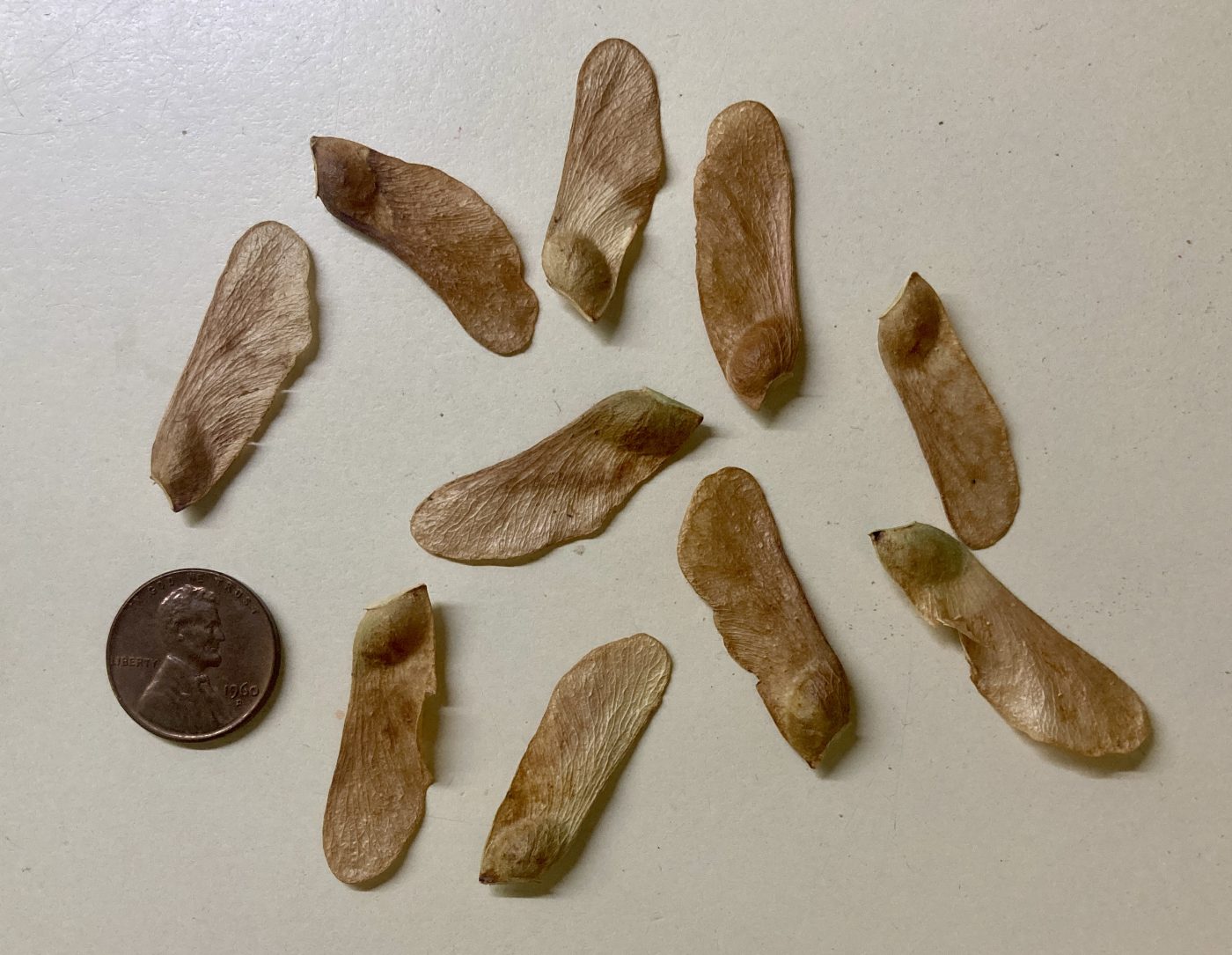
Fruits grow rapidly and mature as paired, winged seeds – not unlike maple seeds. These dry, turn brown, and are dispersed by the dry season trade winds in March and April. Though not immediate, seed germination does occur within a few weeks of the return of the rainy season, with seedlings well established by late June.
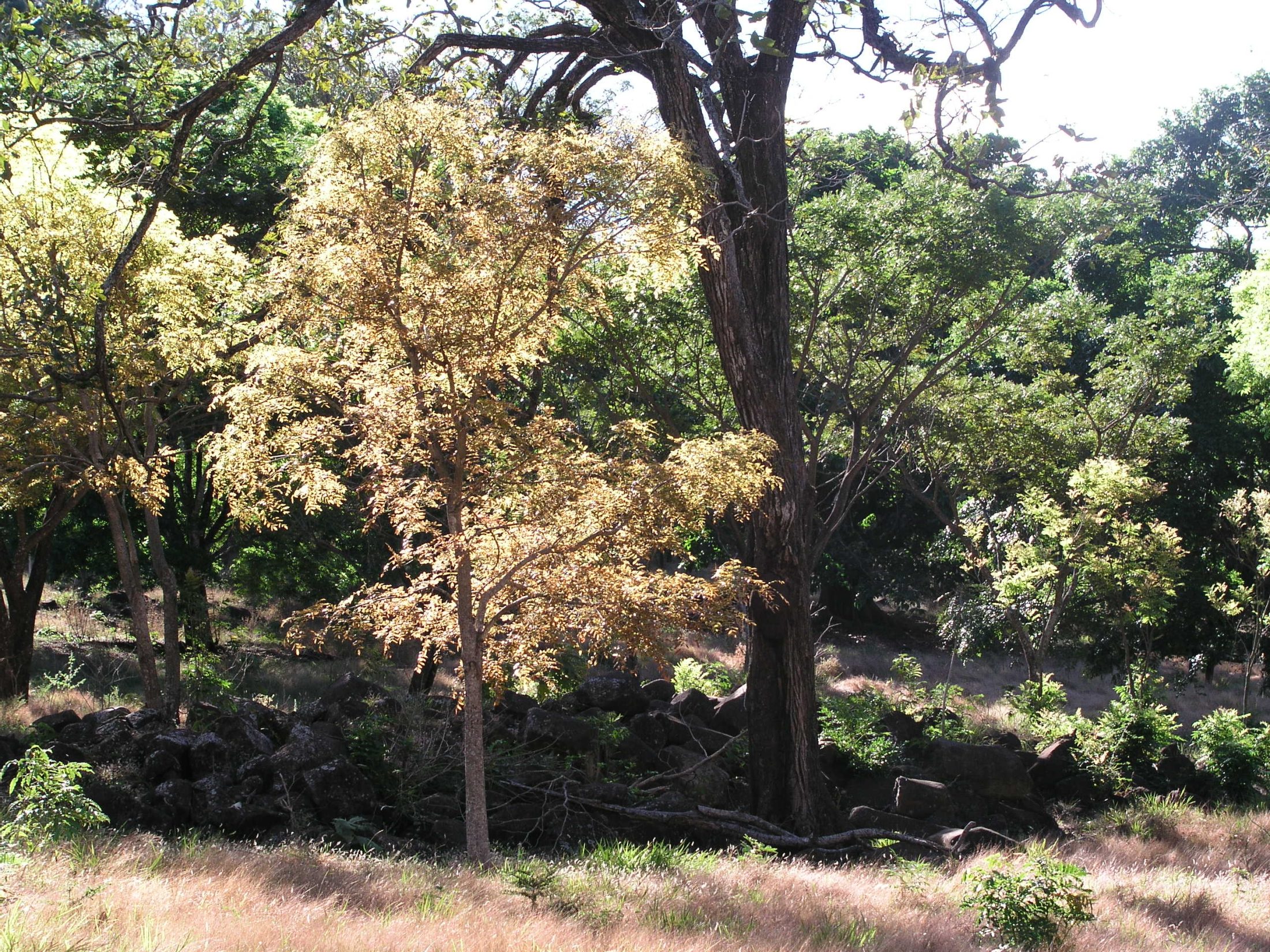
Uses: Escobillo has potential as an ornamental tree, due to the beauty of the new foliage and thanks to the deep shade it provides during most of the hot, dry-season months.
According to Poveda (1975), the leaves if the Escobillo tree have been employed to make brooms for sweeping. Mundo Forestal claims that Escobillo wood is hard, yellowish, and durable and that it has been used in construction as well as for living fenceposts.
Range: In Costa Rica, Escobilla is concentrated in the drier forests of the western or northwestern parts of the country. It ranges from Mexico to Costa Rica.
Photos: Tree Tree2 Leaf Leaf2 Leaf3 Leaf4 Flower Flower2 Fruit Seedling
 Trees of Costa Rica's Pacific Slope