Trichilia americana (Sesse & Moc) T. D. Penn.
Cedro Macho
Meliaceae
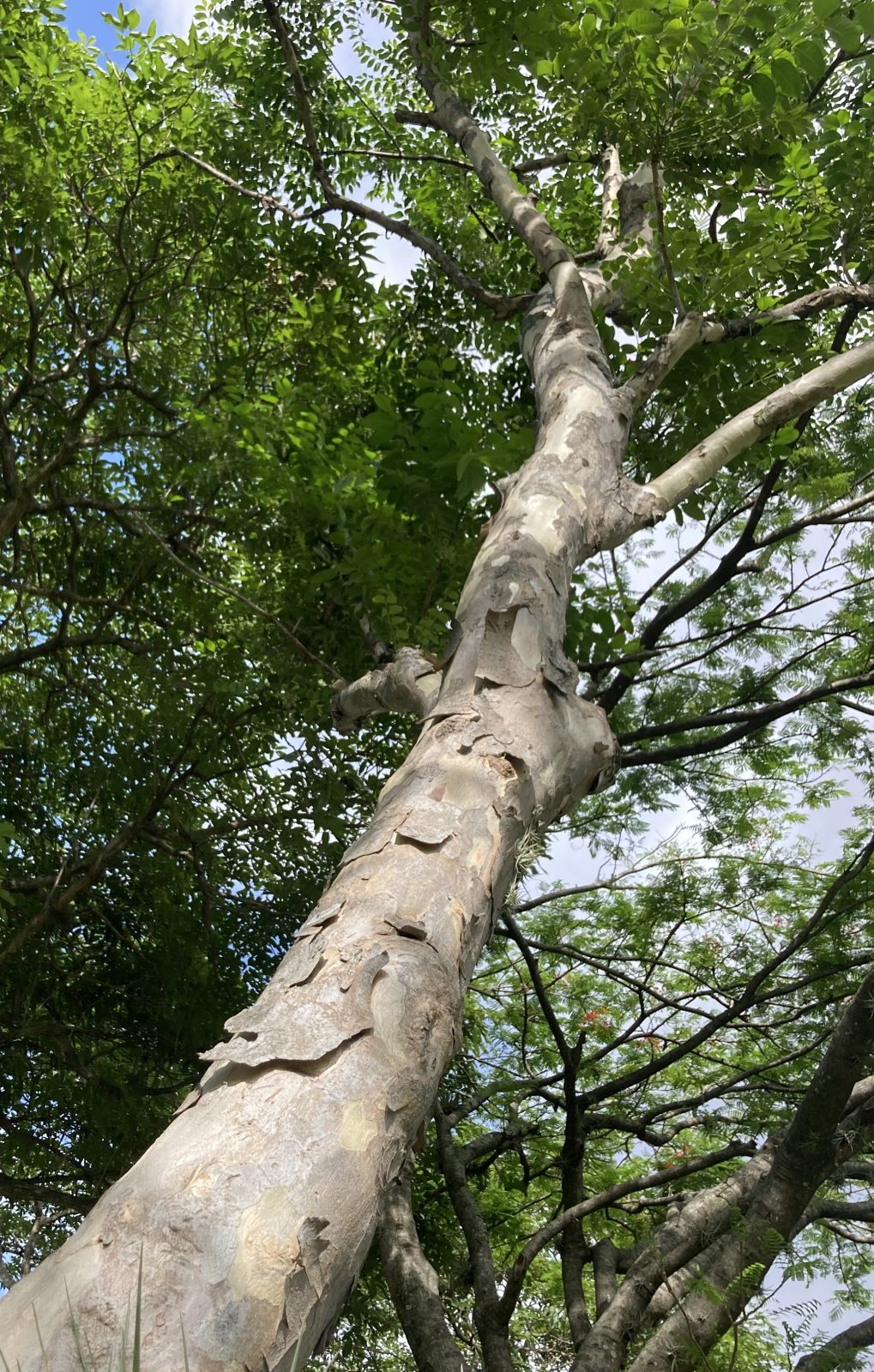
Occasional, understory tree (5-8m) typical of the drier tropical forest habitat located in Costa Rica in the Pacific Northwest.
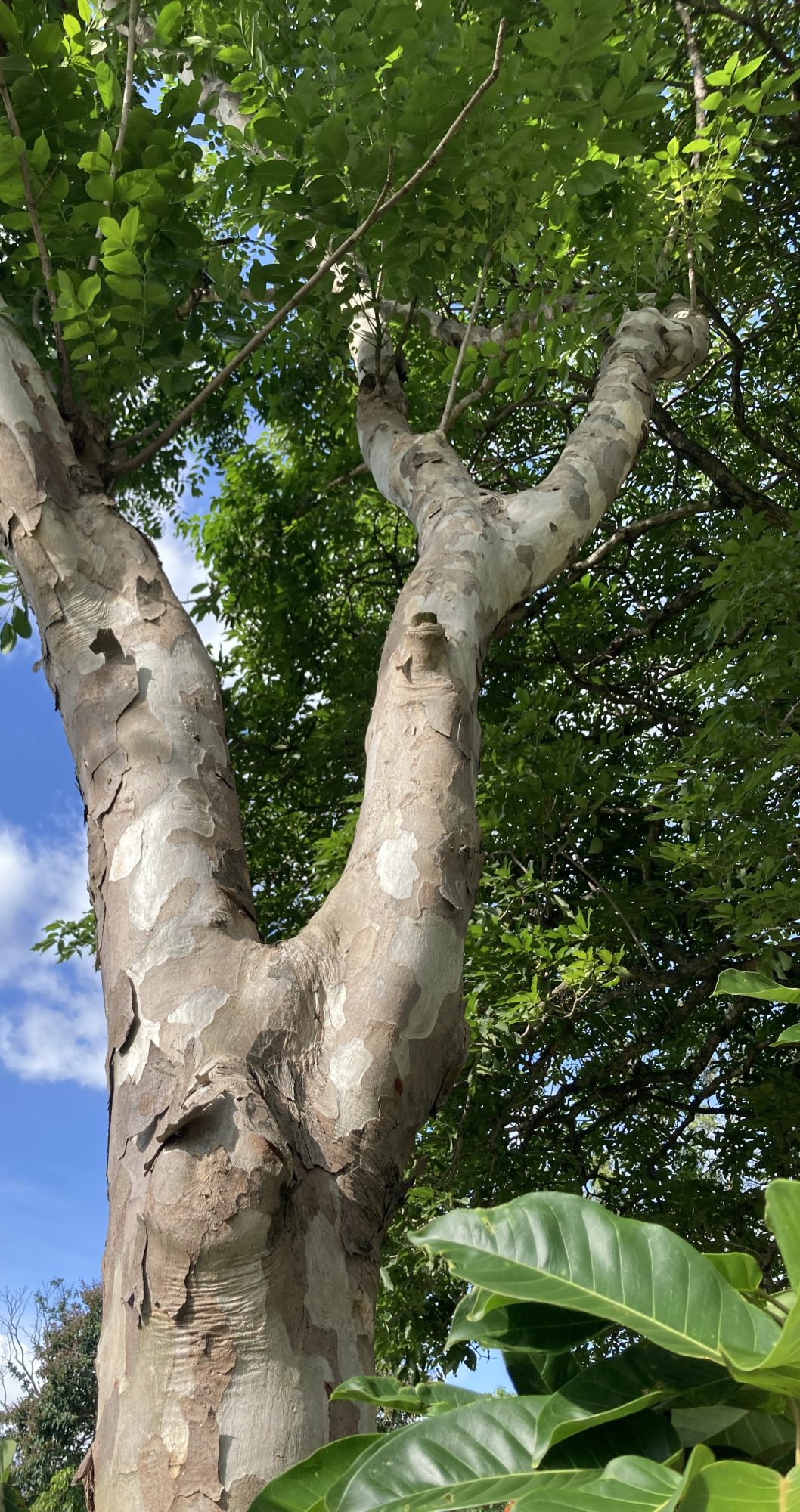
Description: Trichilia americana has a bending, but mostly cylindrical trunk (35-40cm). The bark is tan-brown in color and it exfoliates in large, thick, irregular plates. Underneath, the newer bark is pale yellow, giving the bole a mottled and shaggy appearance.
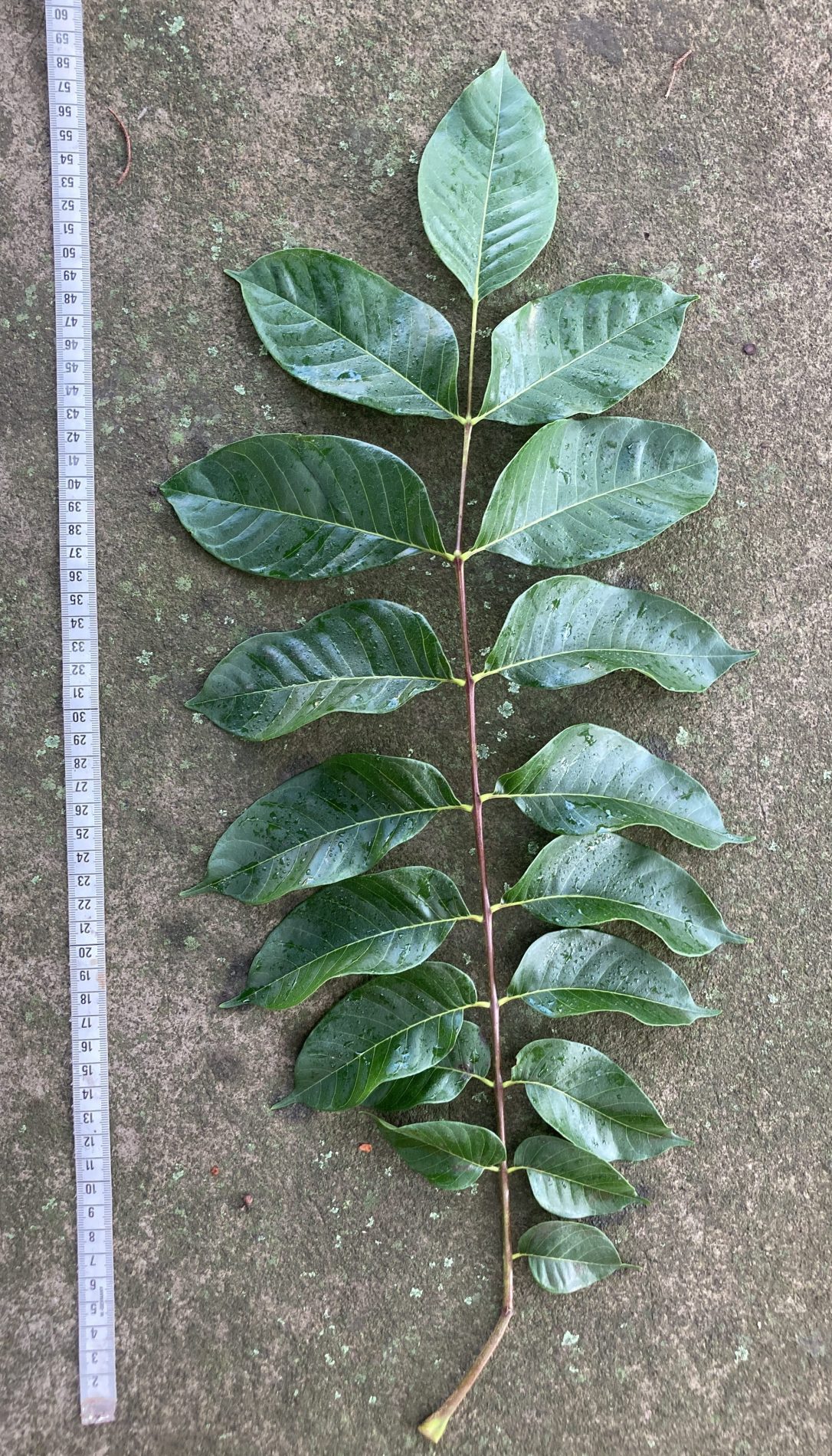
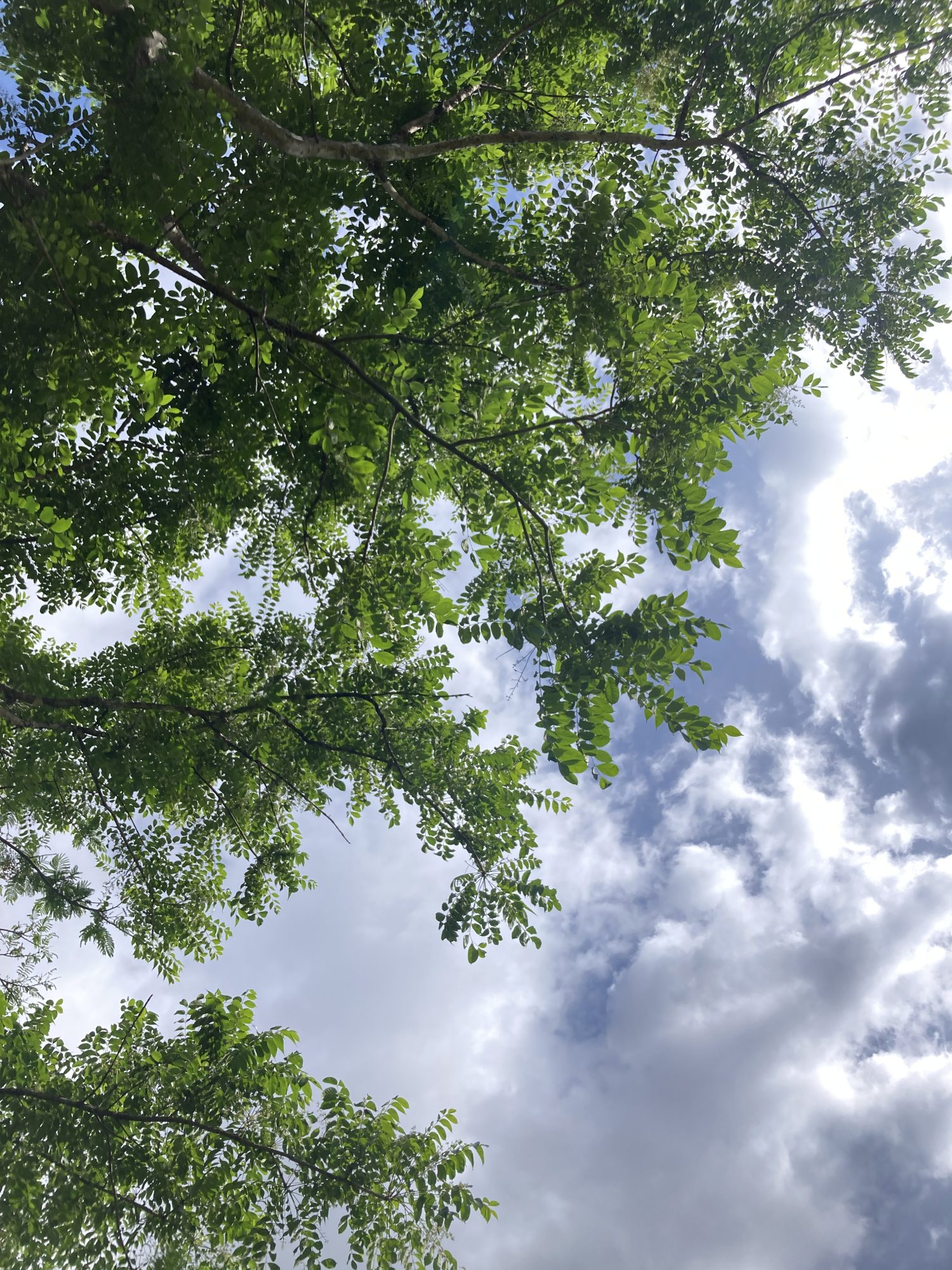
Leaves are quite large (45-55cm x15cm), imparipinnate and alternate. The grow in relatively compact clusters at the ends of the twigs, leaving most of the branches bare. Each leaf consists of 7 or 8 pairs of elliptical leaflets that gradually decrease in size towards the base of the petiole. New foliage is generated at the start of the Pacific coastal rainy season in April and May.
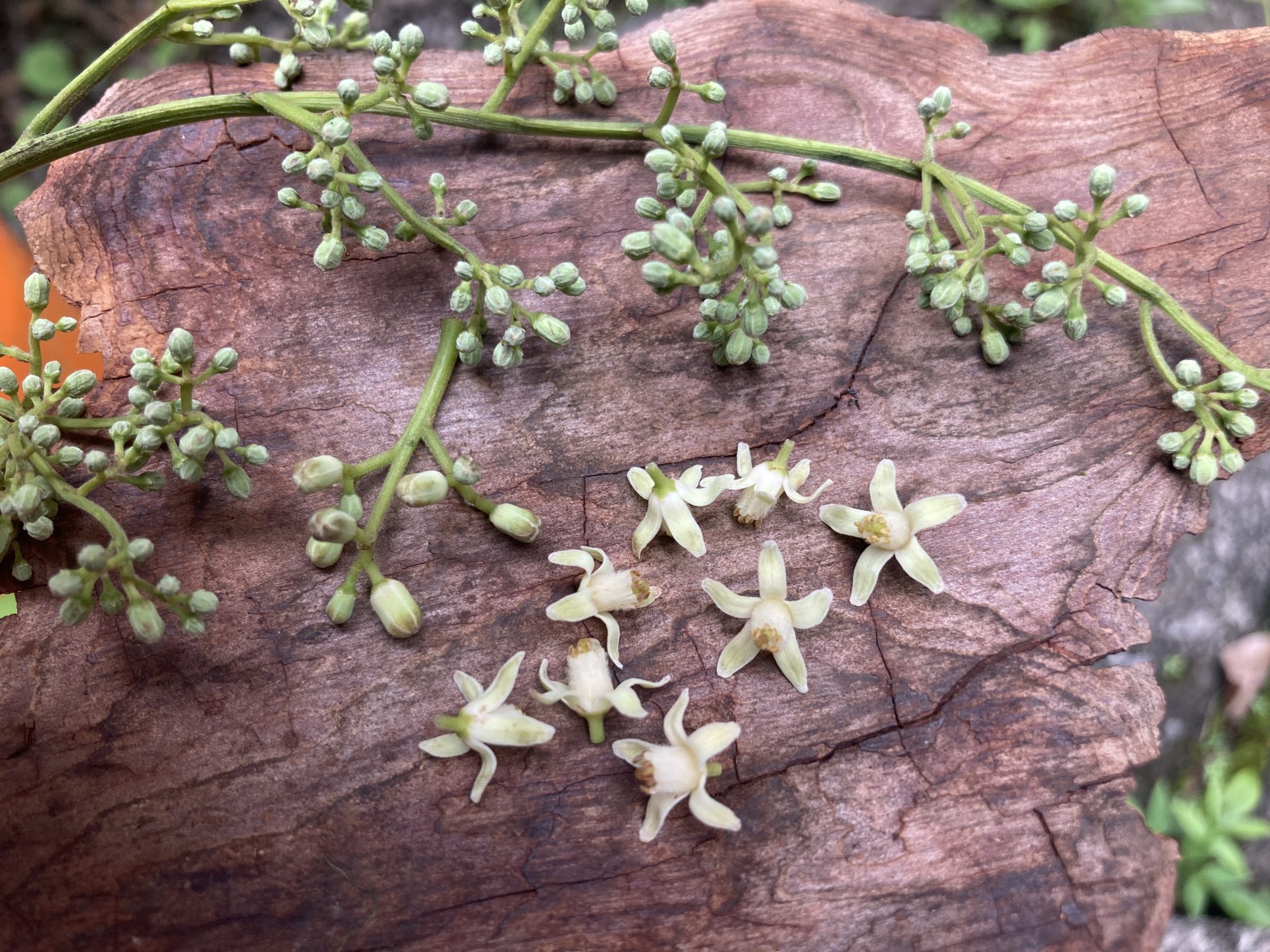
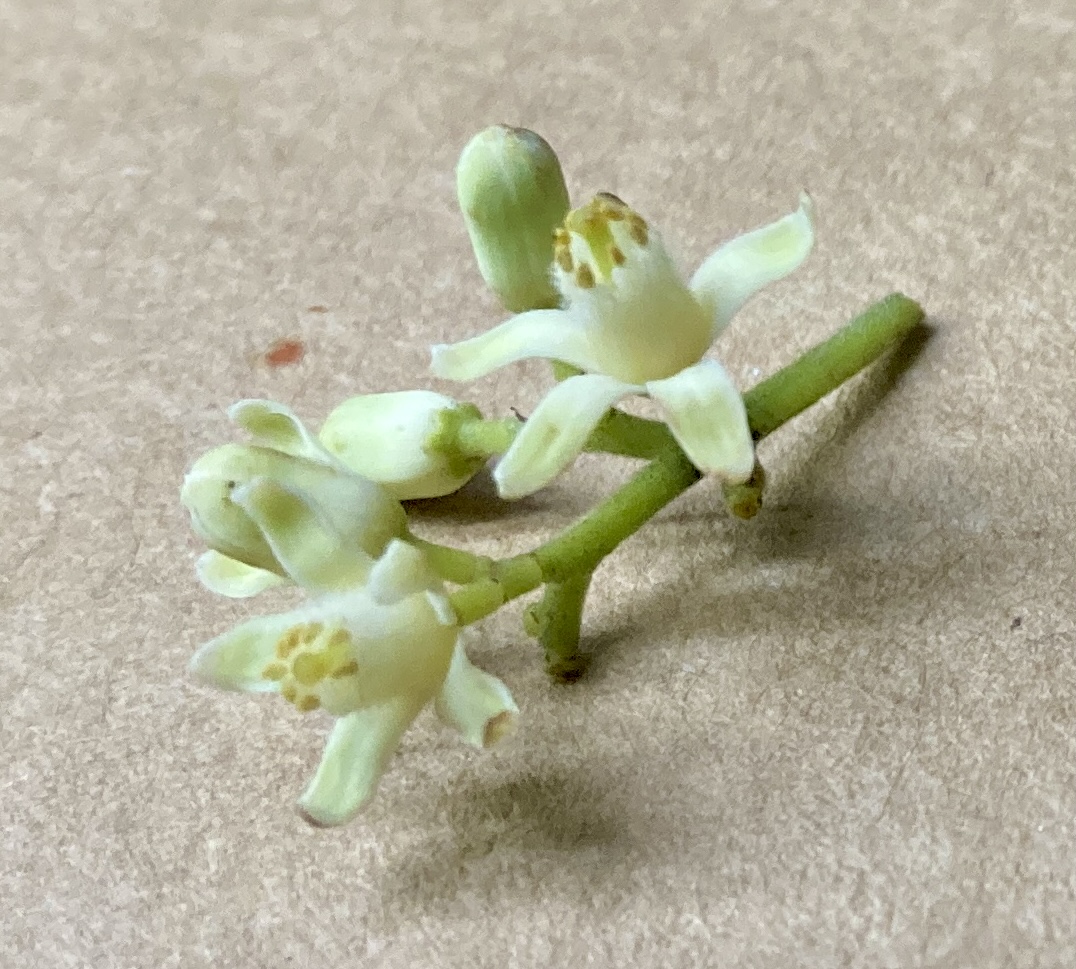
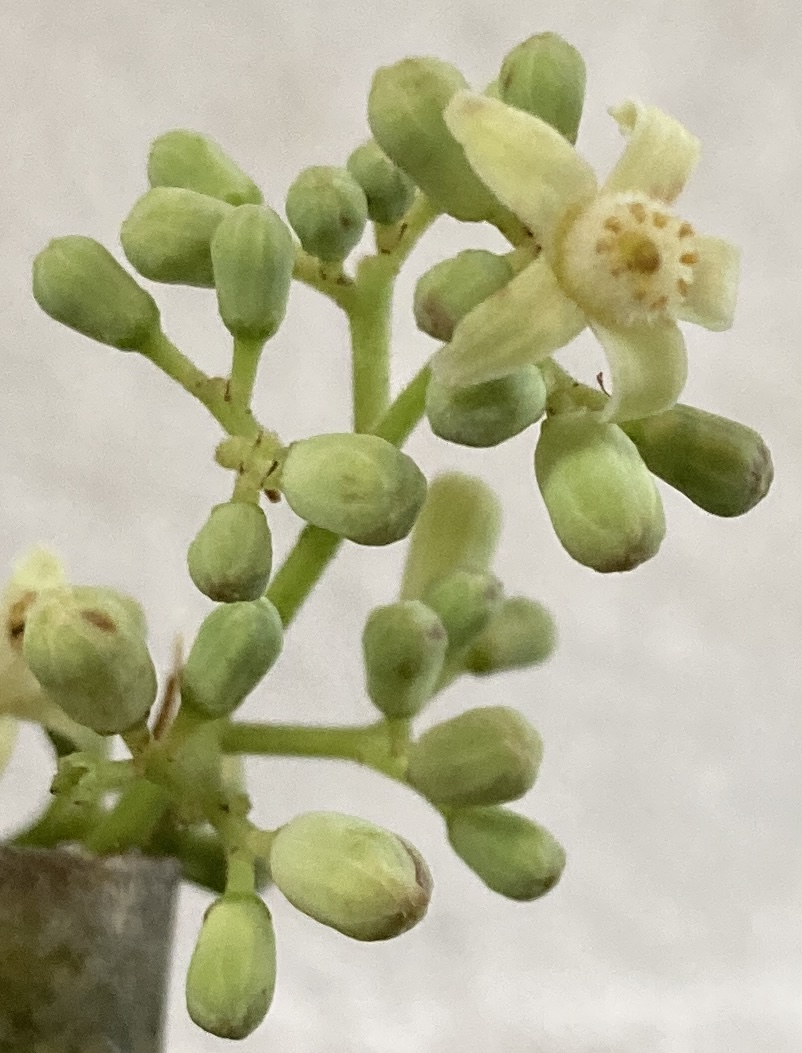
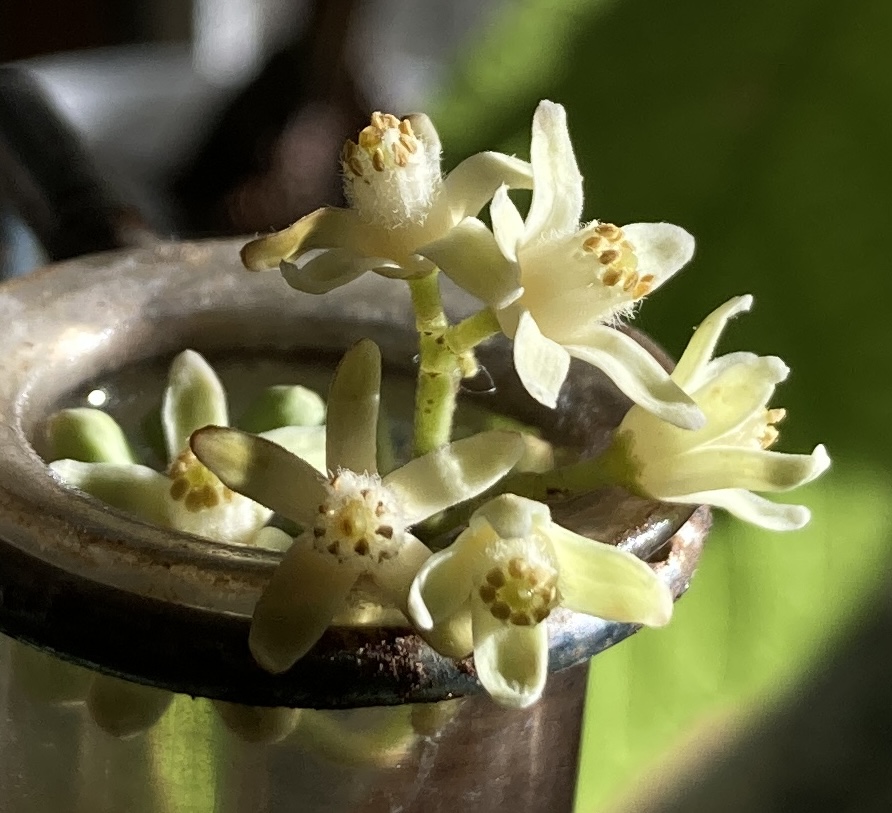
Flowers (1cm) appear in axillar panicles during June and July and are crème or pale green in color. A minute, star-shaped green calyx supports five, narrow petals. Inside, the 10 stamens stand erect and just touching, giving the impression of a cylindrical tube with the yellow anthers positioned distally. A green pistil lurks at the center of this structure. Blossoms open at night and are actively being shed by morning.
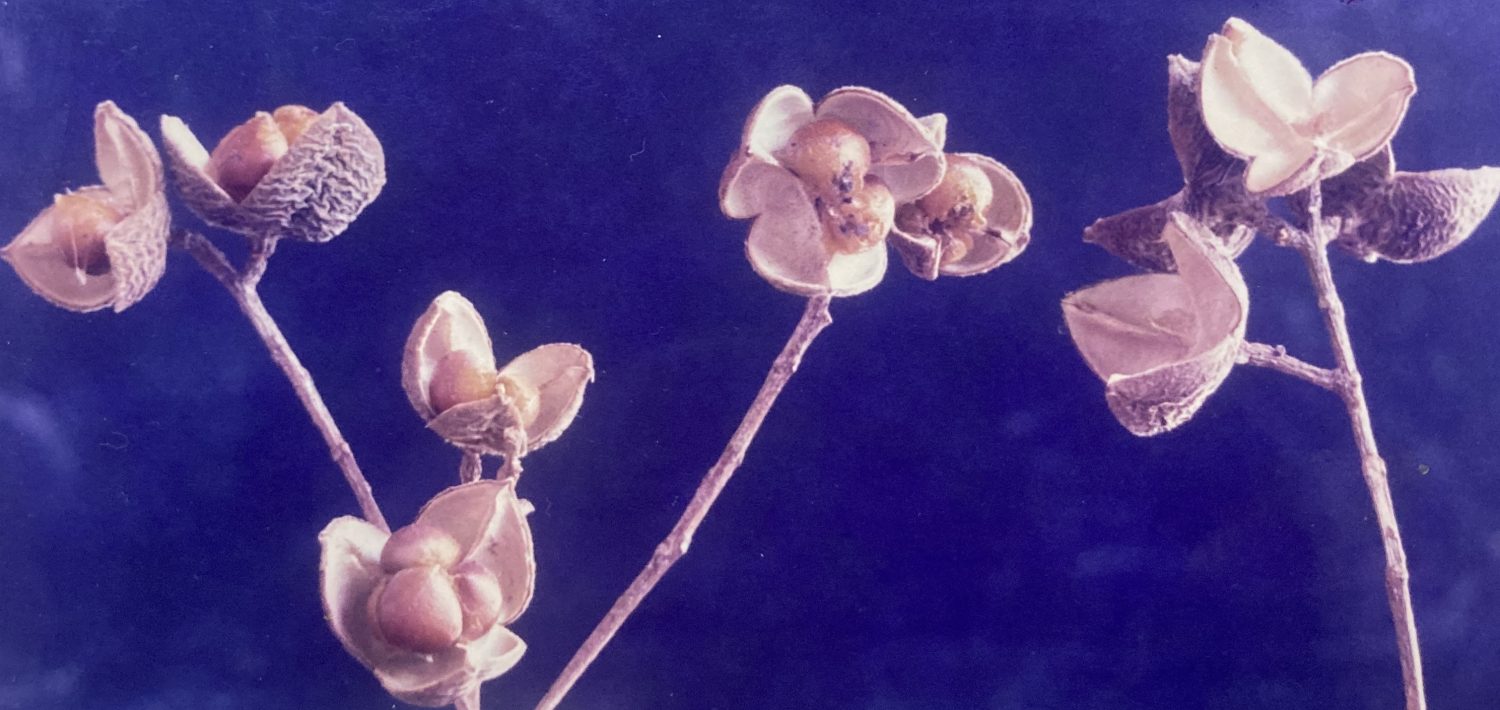
Fruits (1.5-2cm) are 3-lobed, globular, dehiscent capsules. The outer surface matures light tan and contoured with narrow wrinkles. Opening in 3 parts in the late months of the year, an equal number of bronze-colored, rounded seeds (0.8cm) are released.
Uses: According to the online literature, Trichilia americana is a pioneer species that is an apt choice for initiating reforestation projects. The arils surrounding the seeds are eaten by birds, making this species good for attracting avifauna. The wood is used in construction, furniture, and for making implements such as handles for tools and stakes cut from branches have been employed as living fence posts. The seeds are high in oil content (up tp 60%) and have been used in soap production.
Range: In Costa Rica, Trichilia americana is found mainly in the dry northwest, Guanacaste region. The species ranges from Mexico to Costa Rica.
Photos: Trunk Trunk2 Leaf Leaf2 Flower Flower1 Flower2 Flower3 Fruit
 Trees of Costa Rica's Pacific Slope