Tapirira mexicana Marchand
Anacardiaceae
Common Name: Cirrí Blanco, Duraznillo
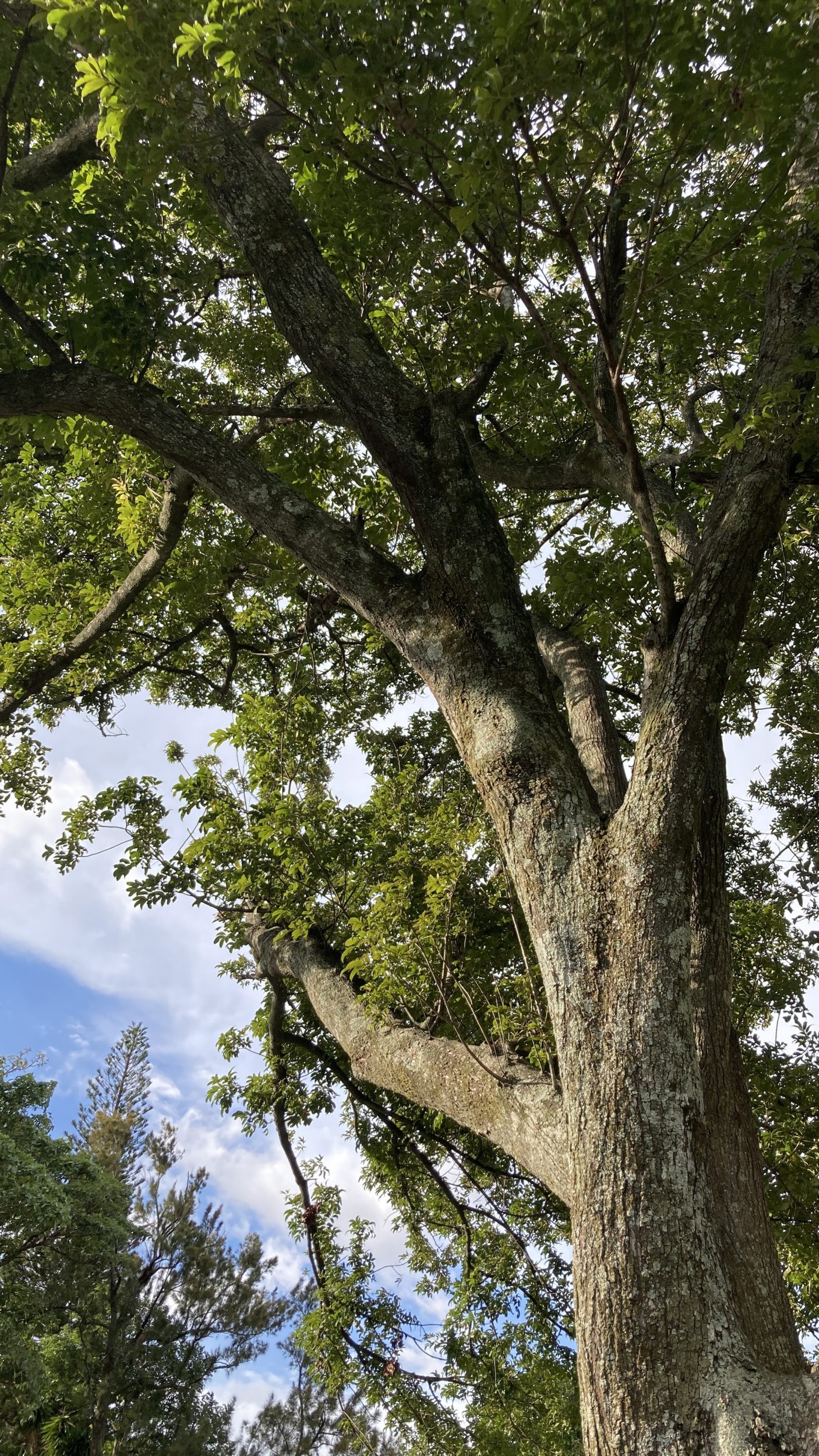
Occasional medium to large (30m) tree and a relatively inconspicuous component of the native vegetation of Costa Rica’s central valley. T. mexicana is notable for the large quantities of edible fruits it generates annually, and the quality and rich, brown color of its hardwood.

Description: Cirrí Blanco trees have somewhat irregular, branching boles covered in dark brown, slightly fissured bark. Branching is profuse, and the crown thus formed is rounded, green and dense.
Imparipinnate, compound and alternate, Cirrí leaves (15 to 20cm long x 11 to 15cm wide) are smooth, dark green and clustered around branch tips. Each consists of from 5 to seven lance-shaped leaflets (10 x 3.0cm) that are noticeably curled and twisted – giving the crown a distinguishing, “unruly” appearance. New foliage is generated in February and March.
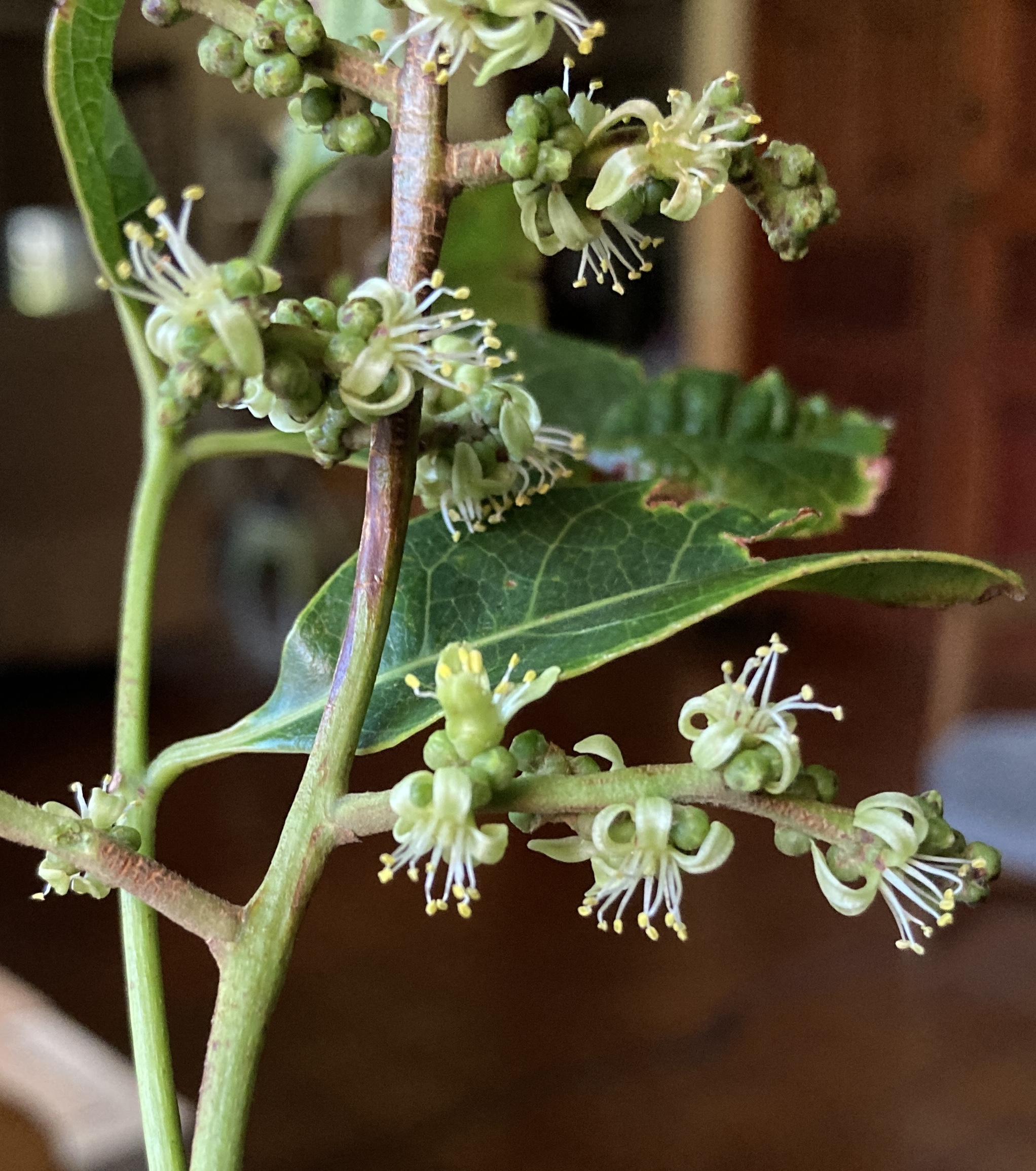
Cirri flowers are small, numerous, and pale green in color. A dioecious species, male and female flowers are borne on separate individuals. Male flowers (0.60cm) consist of five, narrow pale-green petals, and 10 prominent, yellow-anthered stamens. The petals are bent back, and curl around the blossom’s base. Trees are fertile during multiple, sporadic and synchronized bursts that occur between February and March.
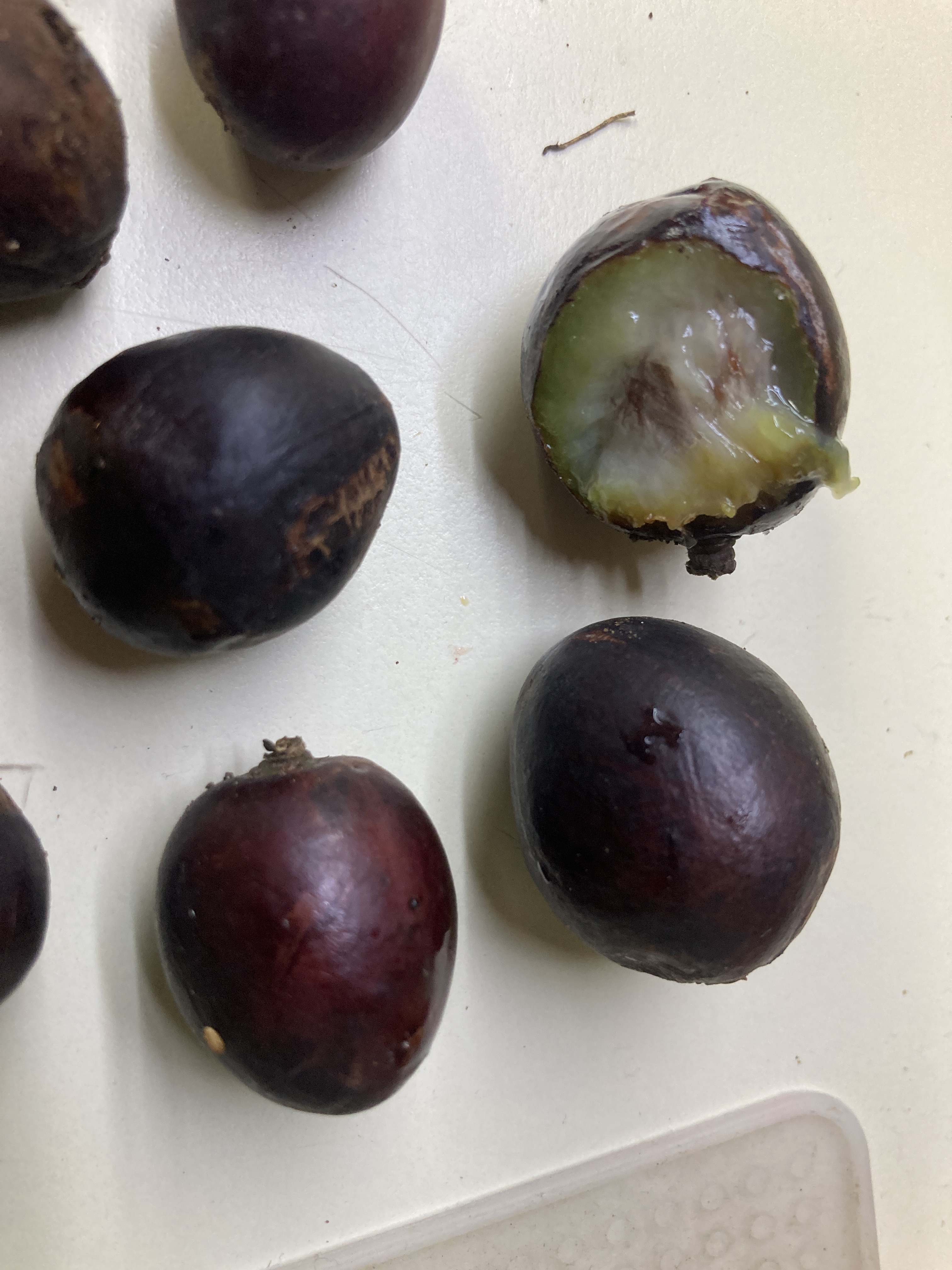
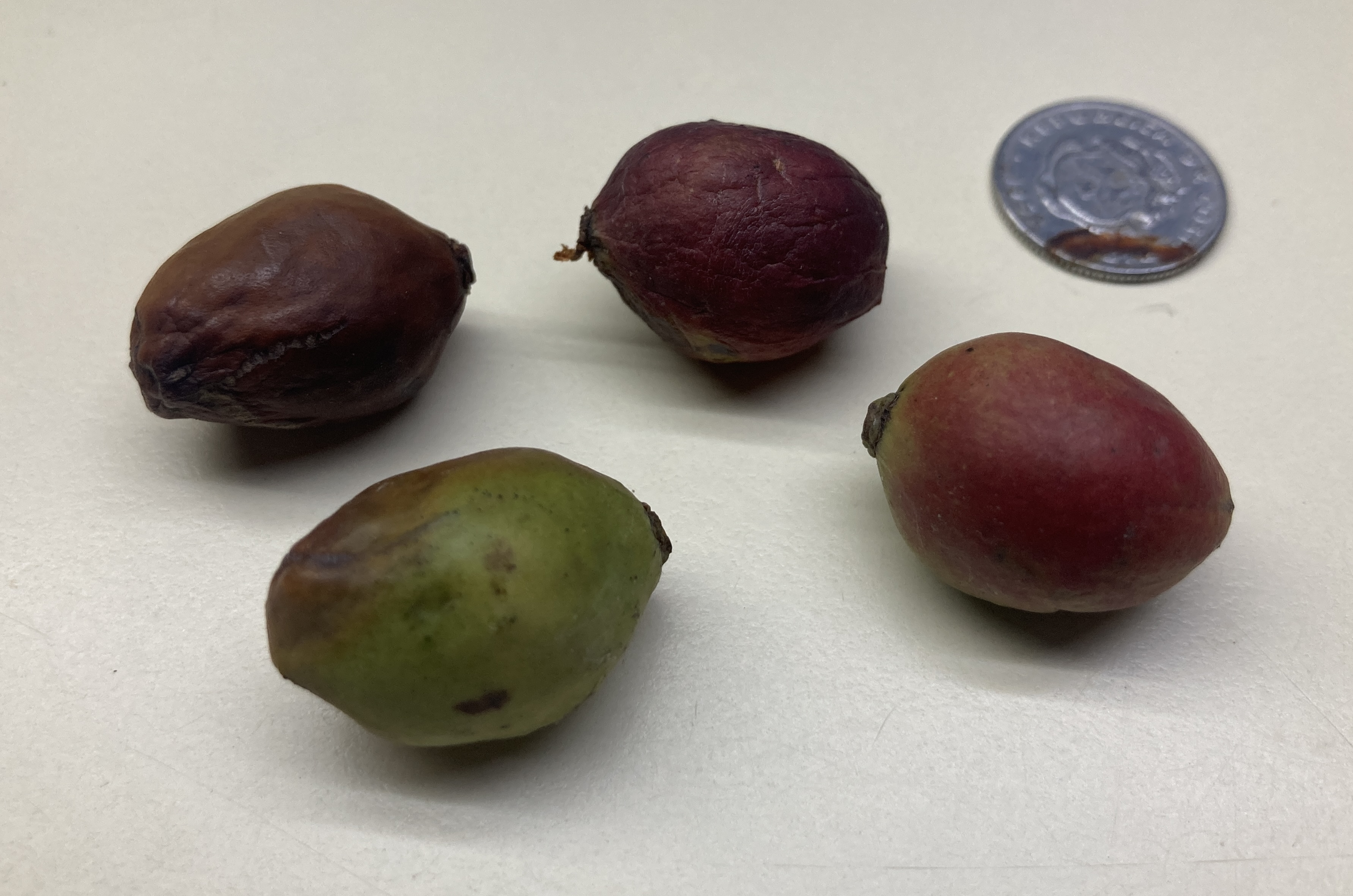
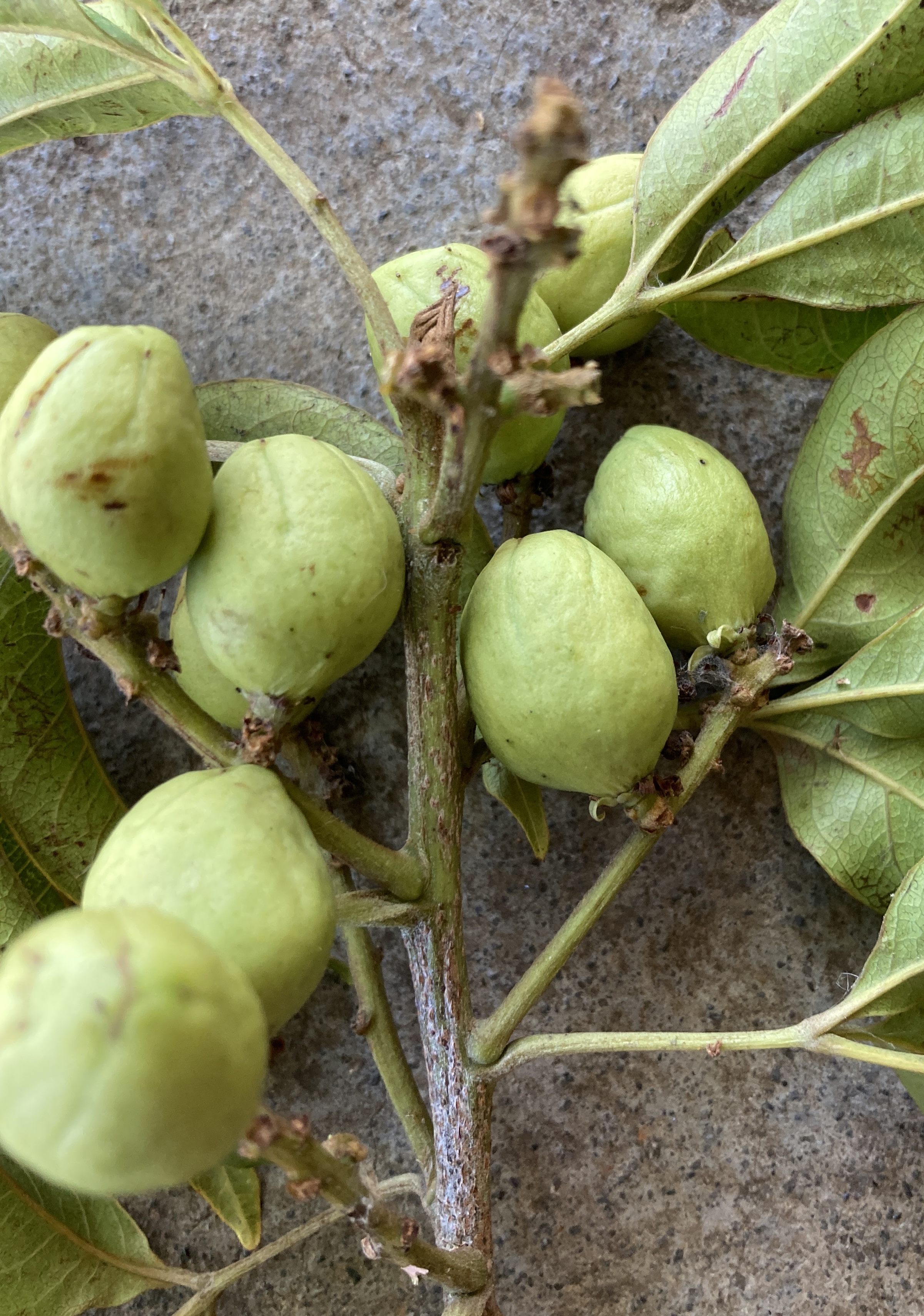
Fruits then develop on female trees, appearing first as pale green, ovoid drupes and later maturing deep red or maroon. Each fruit (up to 2.5cm long) contains a single large seed covered by a thin layer of sweet, edible pulp. Ripening occurs during August and September.
Similar Species: Having watched local specimens of this tree for years before being able to identify them, I at first thought they were members of the widespread Trichilia genus, due to similarities of Cirri foliage and flowers with trees from that group. Later, I was surprised to learn that Zamora et. al. (Arboles de Costa Rica, Vol.2) had made a similar observation.
Natural History: According to the literature (Mundo Forestal) Cirri fruits are sought after by a variety of birds, bats and mammals. Díaz-Sanchez (Díaz-Sanchez, 2023) relates that the genus Tapirira derives from a local native-American language (tupí-guaraní) and means “Tapir tree”, aluding to the importance of this fruit in the diet of this neo-tropical mammal speices. The toasted seeds have been used as a traditional food source in Mexico (Diaz-Sanchez, 2023).
Uses: Aside from its importance as an ornamental species and as a food source for a variety of animals, Cirri wood is prized for its rich, dark brown color – similar to that of Cedrela mexicana (Zamora, 2000) and is used in furniture-making.
Distribution: Tapirira mexicana ranges from southern Mexico to Panama.